Do you have a skin lump that you’d like to remove?
Dr Cormac can assess and treat a wide range of common skin lesions safely and discreetly.
Skin lesions are common — but that doesn't make them less bothersome, especially if they're somewhere visible or causing pressure and pain.
Plan:
1. Book a consultation for an accurate assessment
2. Understand what it is and what removal involves
3. Have it treated safely, with proper aftercare guidance
The NHS is no longer interested in removing benign lumps and patients need safe options.
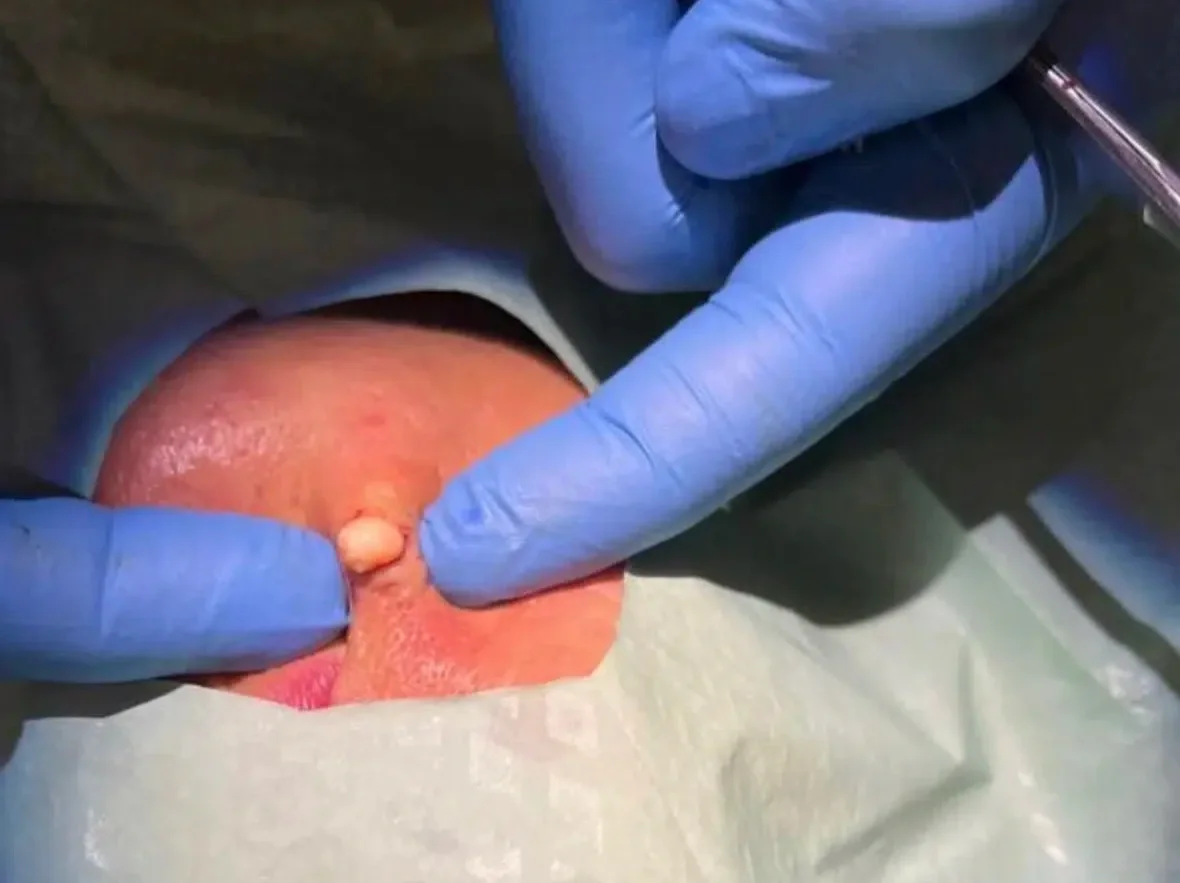
Thankfully these lesions are usually quite simple to remove.
Dr Cormac has a low threshold for using ultrasound assessment to maximise available information before cutting the skin. Maximising safe removal and minimal scarring is our priority and Dr Cormac can advise based on 30yrs of experience. We know the idea of cutting the skin can be daunting and unfortunately there are some providers who don’t have the expertise, experience or equipment to provide the results patients seek.
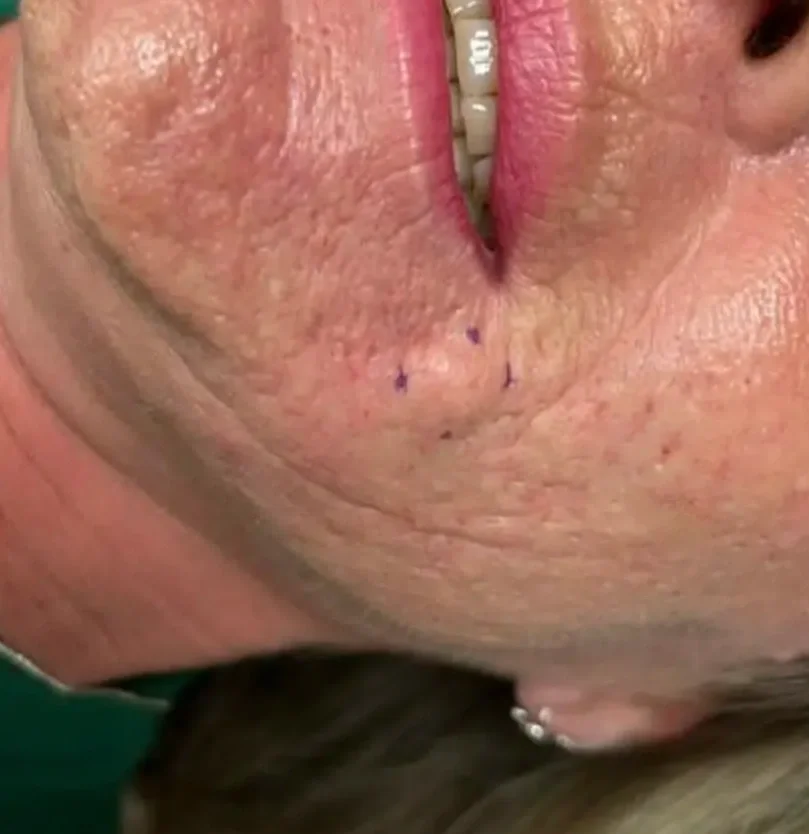
A consultation with Dr Cormac will help clarify the diagnosis and help you understand treatment options. Dr Cormac likes to draw on the skin (with non-permanent ink or pencil) to help patients understand the procedure better as well as just how surprisingly small the scar can be.
Lipomas
Lipomas are benign, slow-growing fatty lumps which occur under the surface of the skin. They are typically found on the abdomen, neck, shoulders, arms or thighs but can occur anywhere including the face and scalp (Dr Cormac has one on his scalp). It is not uncommon for a person to have more than one lipoma on their body and seek treatment to remove these harmless growths.
We stick to removal of small lipomas - around tangerine size or smaller. Large lipomas are typically removed under general anaesthesia.
The most important practical consideration about lipomas is that they do occasionally recur.
Cysts
What are commonly refer to as ‘Sebaceous cysts’ are actually most commonly Epidermoid and Pilar cysts. True Sebaceous cysts, arising from the sebaceous glands, are rare.
A cyst is a closed sac that has a lining and liquid or semi-solid contents. The lining of the sac distinguishes epidermoid and pilar cysts. While Epidermoid cyst linings are made up of cells found on the outer layer of the skin (known as the epidermis), Pilar cyst linings are made up of cells like those found in the roots of hairs. Both types contain a thick ‘cheesy’ substance that looks a bit like white toothpaste. This is made of keratin - the material that makes up hair and the outer layer of the skin.
Cysts are common, benign and they aren’t contagious. Epidermoid cysts typically affect adults in their 20s and 30s. They can appear anywhere on the skin, but most commonly, they develop on the face, neck, chest and upper back. Pilar cysts most commonly develop on the scalp, affect women more often than men and tend to appear in middle age. They run strongly in families.
Most lipomas and cystsare removed using minimal surgical excision, the incision carefully stitched, and you will be given a follow-up appointment in 7–14 days for stitch removal. Full aftercare guidance will be provided before you leave.