Considering Laser Skin Resurfacing?
Sun damage, uneven texture, or skin that's lost its former quality?
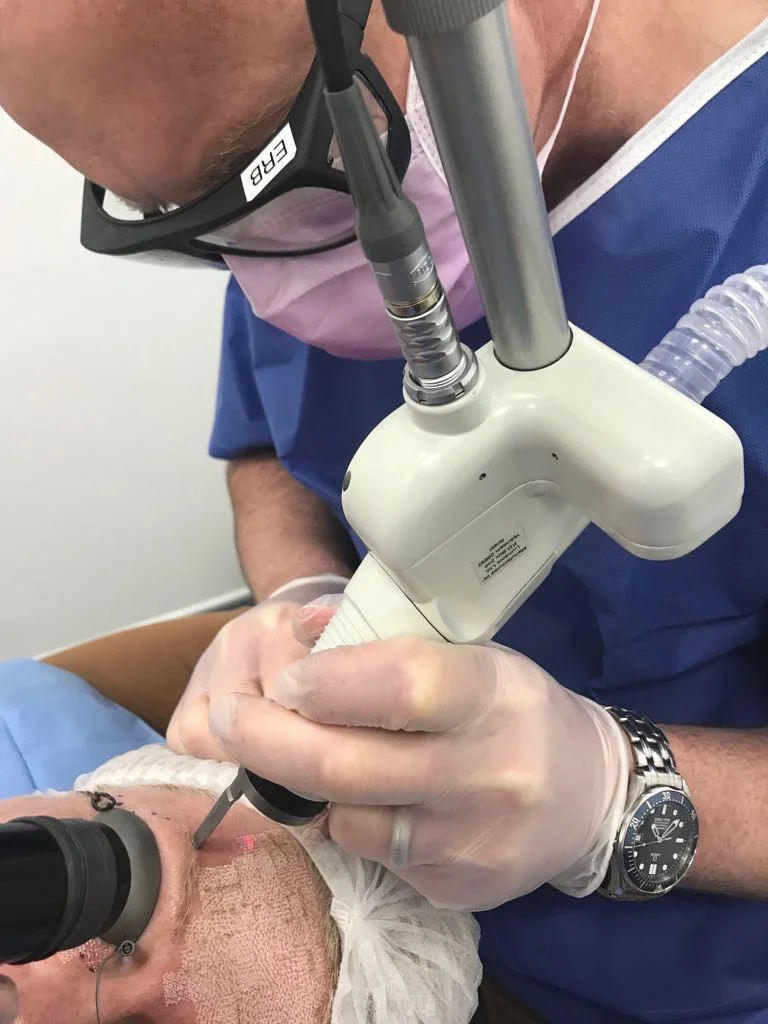
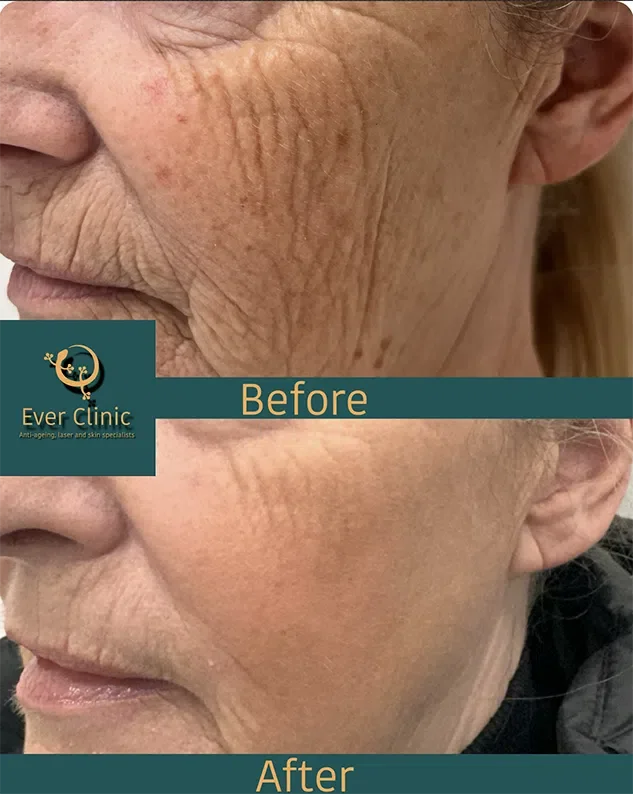
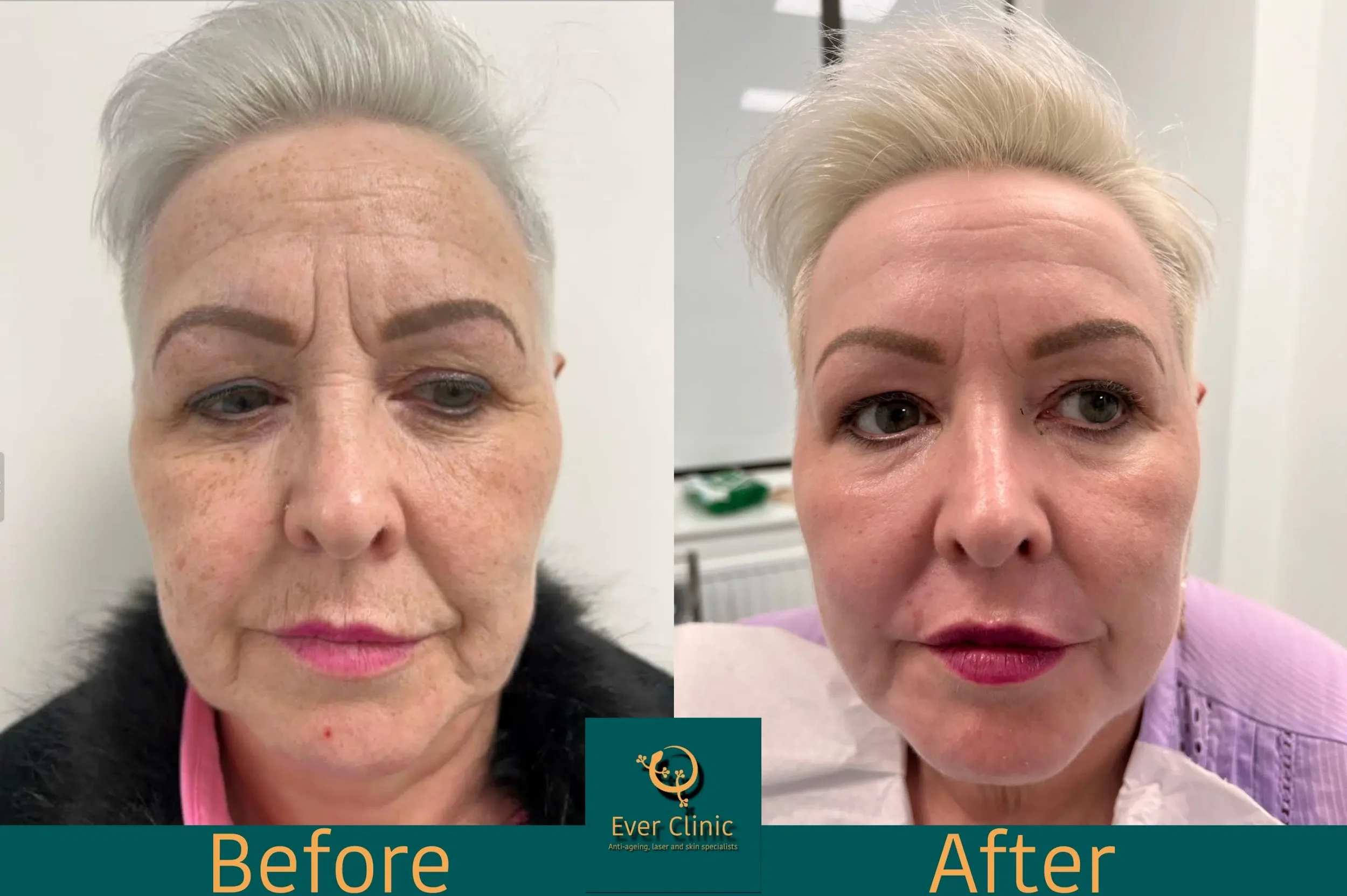
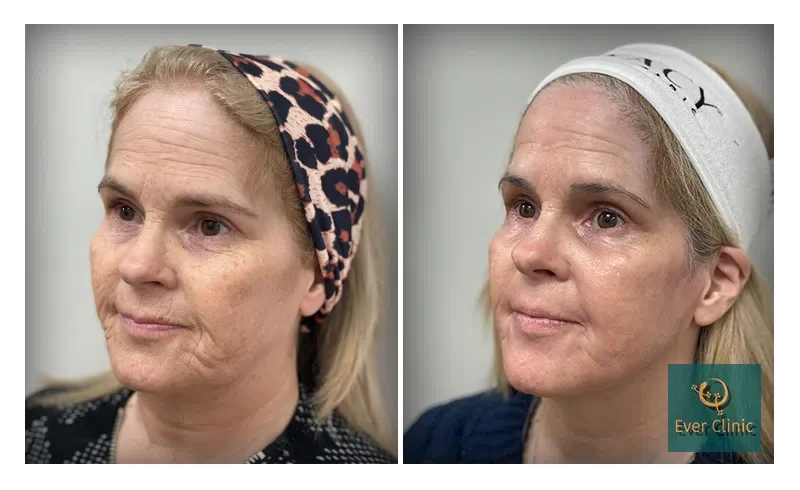
Dr Cormac is the only doctor using fully-ablative CO2 and Erbium YAG lasers in Scotland - he uses these to resurface and rejuvenate skin affected by age and years of sun exposure.
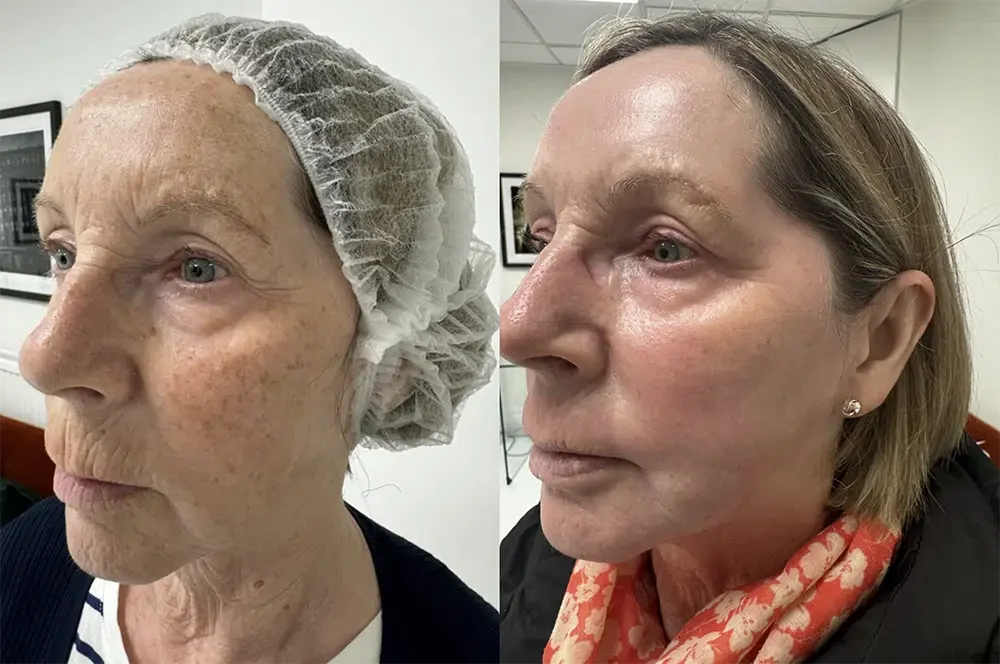
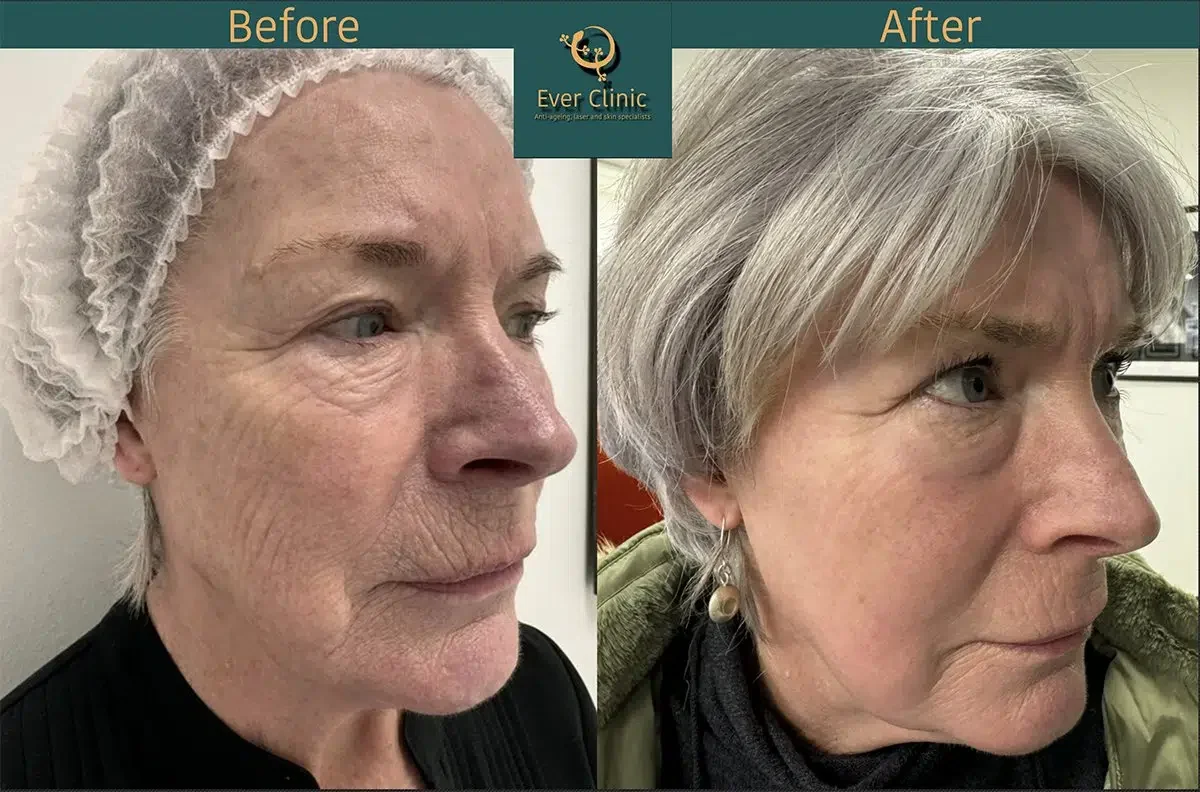
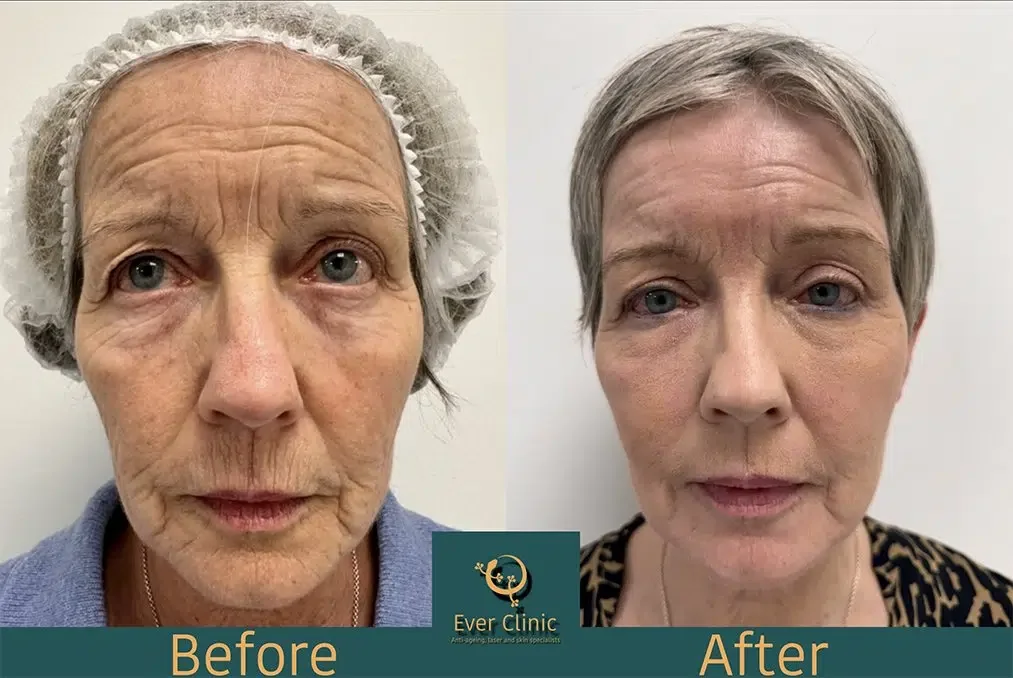
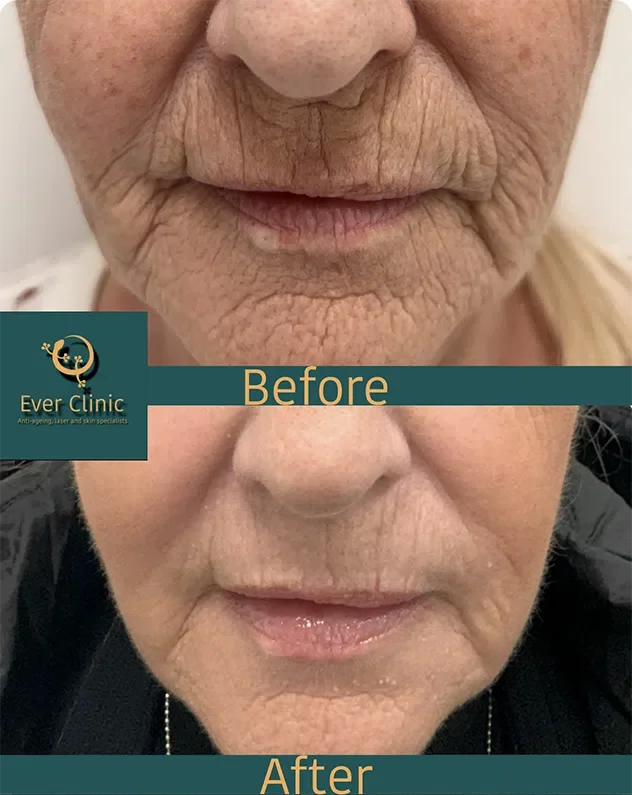
A clear path to renewed skin
Book a Consultation — A proper assessment of your skin's condition and what's realistic for it.
Get a Personalised Resurfacing Plan — Matched to the depth and type of damage present.
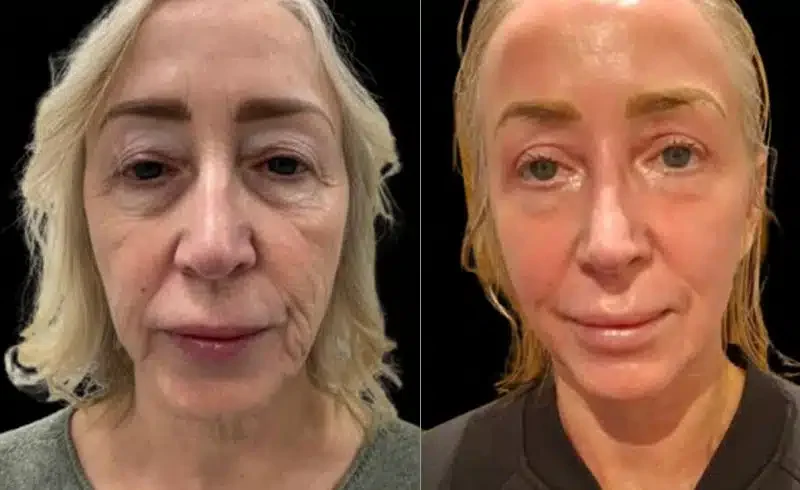
See Real, Documented Results — Tracked improvement over your treatment course.
Years of sun exposure, past damage, or a skin condition you've lived with for a long time can leave you feeling like your skin's quality is permanently out of reach. It doesn't have to be.
Why Dr Cormac?
Home of the only fully ablative lasers in Scotland
Doctor-led - every consultation carried out by Dr Cormac
Best Non-Surgical Result — Aesthetics Award Winner 2024
Voted Best Clinic in Scotland 2019
Why previous approaches may not have worked
Surface-level treatments (peels, basic lasers) often can't reach deeper photo-damage or textural change
Generic rejuvenation packages that aren't matched to the actual depth of damage
What Resurfacing Treats
Photodamage/Sun-Damaged Skin - Lighter caucasian skin is more susceptible to years of sun exposure. Pigmentation, lines and laxity will be more advanced. With more patients having active lifestyles as well travelling and spending time working abroad, it’s no surprise that we see the effects of the sun.
General Rejuvenation - even in patients who avoid the sun and are good with skin-care, we get inevitable genetic ageing. Laxity and enlarged pores can be challenging to treat and we often combine resurfacing with surgical treatments to give the optimal reults.
Don't assume your skin's condition is simply permanent, or that the only options are surgery or nothing at all.
Renewed texture, tone, and confidence in skin that finally reflects how you actually feel.
Find out what resurfacing could do for your skin
Dr Cormac teaches and researches on skin resurfacing. He is recognised in the UK and abroad, with patients regularly travelling to have treatment with him.
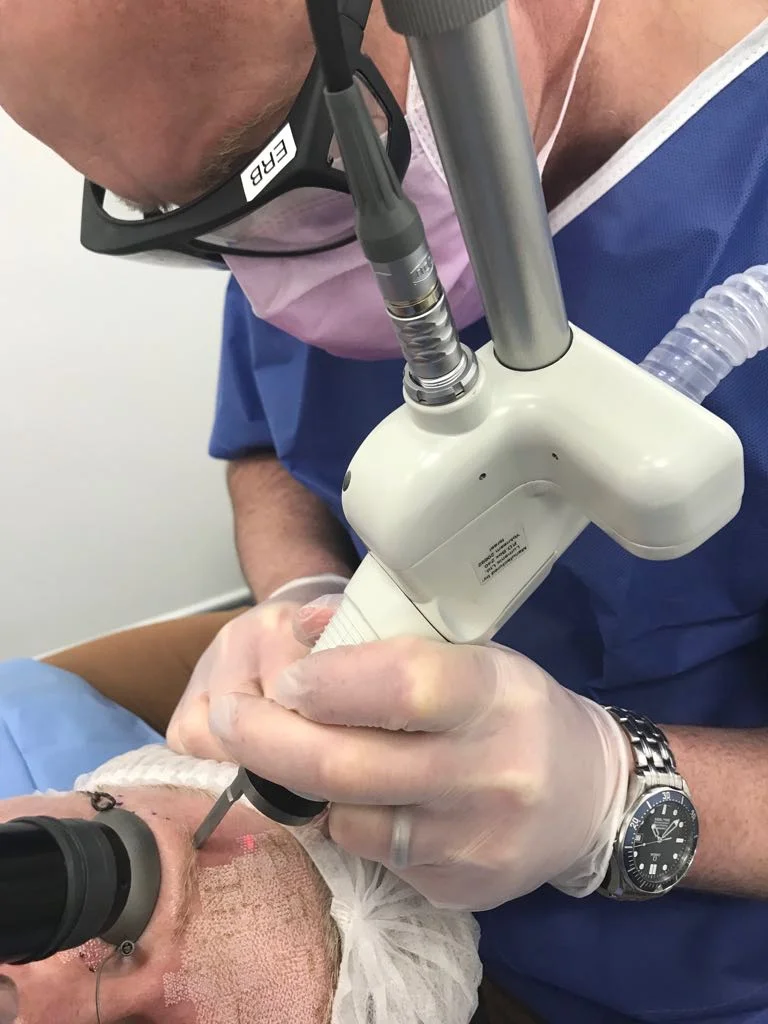
In Glasgow, Dr Cormac offers fully-ablative CO2 and Erbium Laser Resurfacing.
CO2 laser resurfacing has long been acknowledged to be the gold-standard in the treatment of photo-damage and acne scarring.
For patients seeking improvement and tightening of the skin around the eyes (peri-orbital skin), fully-ablative CO2 offers an excellent alternative to surgery and can, in fact, be combined with surgery as it dramatically improves the quality and elasticity of the remaining skin.
Considered by some to be milder than CO2 laser, Erbium resurfacing is an excellent alternative which offers the advantages of increased precision and variability in resurfacing depth.
Recovery following Erbium laser tends to be quicker and it is more commonly used in darker skin-types.
This facial laser surgical procedure is performed under a special type of local anaesthetic. Treatment of skin laxity and wrinkles around the eyes can also be incorporated into the treatment.
Not all skin resurfacing is the same. This is fully ablative laser that is only performed by a handful of experienced laser surgeons worldwide.
Safe and effective fully ablative CO2 laser resurfacing requires extremely short-pulse laser delivery to avoid excessive heat accumulation. We use the Lumenis Ultrapulse platform, recognised as the most powerful CO2 laser available.
We also use the Sciton Erbium technology which uniquely combines short and long-pulse laser to provide ‘tuneable’ resurfacing. Dr Cormac is one of the few laser surgeons worldwide who has the knowledge and the experience to offer this procedure and has performed many cases.
This powerful treatment requires 7-10 days of downtime.
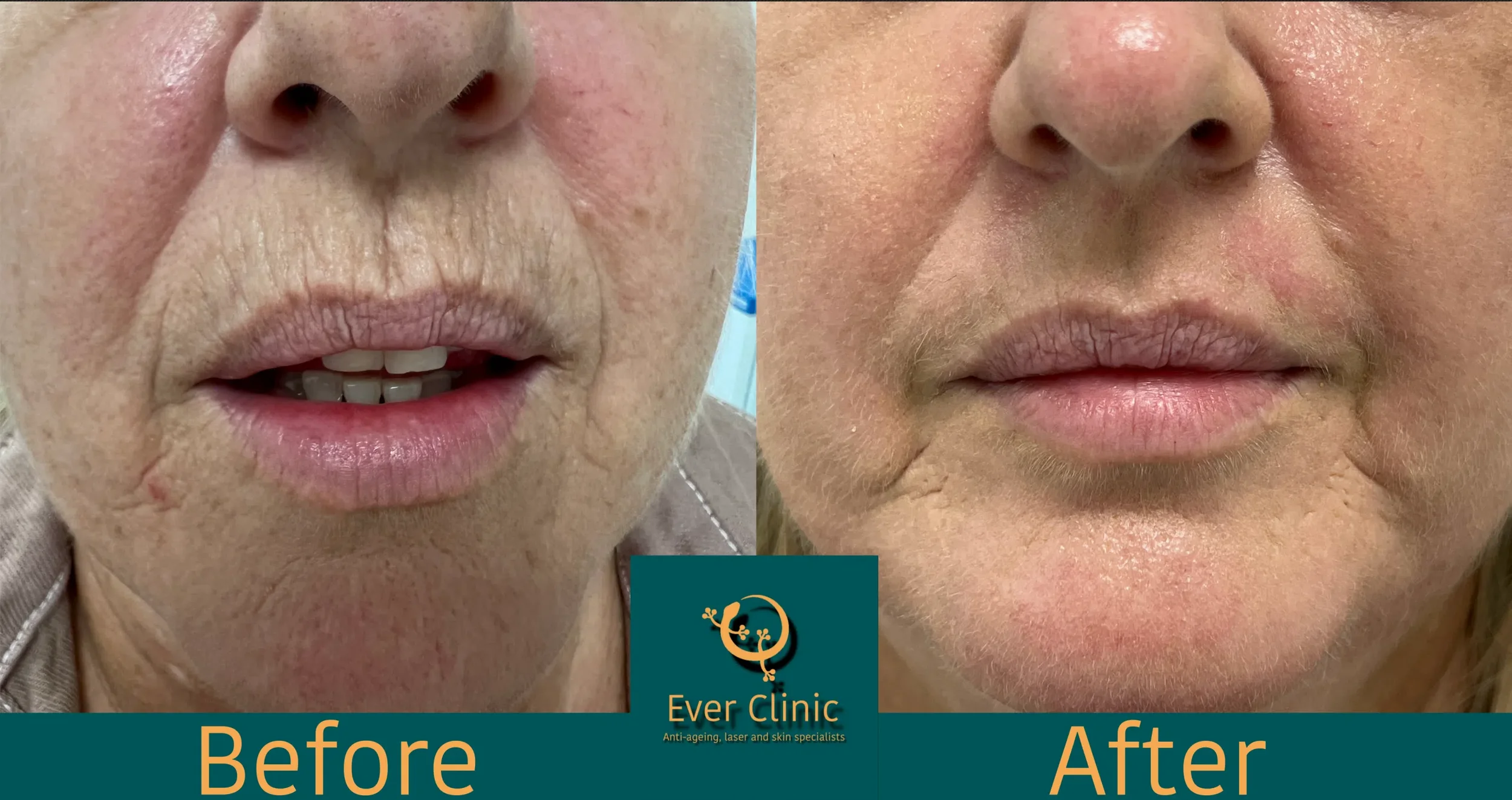
In the area around the mouth (peri-oral region), Erbium laser is arguably superior to CO2 laser and represents the gold-standard for treatment of ‘smoker’s lines’ or ‘bar-code lines’. We see many patients who have excellent lifting and volumising effects following surgical and non-surgical treatments, but where the peri-oral region remains resistant and problematic. We are please to inform our patients that we have the solution..
The greatest benefit of this procedure is that the results are permanent. Once healing is complete the skin you are left with is your new skin. The procedure doesn’t have to be repeated like other cosmetic treatments such as dermal fillers or wrinkle relaxing injections. As long as the patient takes good care of their skin, results will last for many years before the need to consider doing anything further.
Aggressive procedures can be performed on lighter Fitzpatrick 1-3 skin types (Caucasian, Mediterranean, Very light Asian). Treatment for darker skin types (Fitzpatrick 4 – 6) must be delivered less aggressively due to potential for pigmentation side effects.
TREATMENT DETAILS
Once Dr Cormac has carried out a consultation and treatment has been deemed appropriate, an appointment will be arranged to carry out the procedure. During the consultation a prescription for prophylaxis (preventative) medications will be issued. These medications are to be used as instructed during the recovery period following the procedure. Taking these medications minimises the risk of harmful side effects such as infection following this type of more aggressive skin laser surgery.
It is important that the patient has somebody available to drive them home after the procedure is performed. Patients must not expect to drive back home themselves.
Dr Cormac will see the patients before the procedure in order to prepare and clarify things. A consent form will be signed, giving permission for the procedure to be carried out. Antiviral tablets will be then administered as well as an optional sedative.
Pre-procedure photos will be taken and following this the face will be cleansed and prepared with a special type of topical local anaesthetic gel. Dr Cormac will then use additional anaesthetic techniques such as tumescent anaesthesia or nerve blocks. These involve small injections of local anaesthetic under the skin.
Anaesthetic preparation will last for about 45 minutes. Following this the patient will be moved into the procedure room and prepared for the laser procedure. If treatment around the eye area is to be performed then the patients will have had anaesthetic eye-drops applied and metal contact lens style eye-shields will be inserted. If the eyelid region is not being treated then simple adhesive eye-shields (that stick over the eyes) will be applied. In most cases patients who opt for full face treatment will want to incorporate the benefits of eyelid treatment as well. It is therefore commonplace for patients to have both treatments performed in the same session.
The procedure will usually take around 45 minutes to complete.
The level of discomfort experienced during the procedure is typically a prickly burning sensation that usually can reach up to a 5 out of 10 subjective severity.
Upon completion of the procedure the patient’s face will feel very hot. It is best described as a sun-burn sensation and this will last for up to 24-48 hours. Following removal of protective eye-wear a barrier cream is applied to the freshly treated skin. This cream acts as an impermeable barrier to protect the denuded or exposed skin from dehydration and infection.
Detailed aftercare instructions will be discussed and issued in a written format to the patient. These instructions must be adhered to strictly. Strict sun avoidance will need to be maintained in the immediate recovery phase and up to a month at least post procedure. Use of a broad spectrum sunblock (SPF50 minimum) is recommended for at least 3 months post procedure.
Patients are at risk of infection during the first few days following the procedure. It is important to keep the face clean and strictly adhere to the aftercare instructions to minimise this risk. Dr Cormac usually gives a once a day antibiotic dose to minimise bacterial infection risk. An antiviral tablet must also be taken for 7 days – this will be prescribed as twice or three times daily and this will be discussed at the appointment. There will also be a pack containing medications for use ONLY if instructed to do so by Dr Cormac.
Standard practice is to monitor day by day healing through the use of ‘selfie’ photos taken by the patient and sent to the contact details issued by Dr Cormac. This allows for provision of real-time advice during the recovery period. Any patient having this procedure will have a direct line of communication with Dr Cormac at all times throughout recovery. Close monitoring of this nature allows any potential complications to be dealt with quickly and risks minimised.
Typically, after 9 days, patients can return to work. Depending on the depth of resurfacing, redness may take 3 or even 4 months to settle. A light foundation can be applied to mask this redness. Use of perfume free gentle cleanser and appropriate moisturiser is recommended. A high quality SPF 50 sunblock must be used and steps to avoid sun exposure must be taken for the weeks following treatment. If these steps are ignored, patients may find that they develop brown pigmentation on the treated areas of the face (post inflammatory hyperpigmentation). Although this will spontaneously settle, it is better to avoid it by observing the sun avoidance precautions. If brown pigmentation seems especially stubborn or is slow to settle, a cream may be prescribed to expedite the process.
POTENTIAL COMPLICATIONS
Fully ablative laser resurfacing is one of the most aggressive types of skin resurfacing procedure undertaken by Dr Cormac.
As Dr Cormac is an expert in cutaneous laser surgery the incidence of side effects is low and fully ablative laser is considered a safe procedure.
However, with any laser resurfacing treatment complications are possible. In fully ablative laser these include the following:
Post Inflammatory Hyperpigmentation (skin darkening)
Post Inflammatory Hyperpigmentation (PIH) is the most common side effect. It is more common on darker skin types. Thankfully it usually spontaneously improves. Improvement can be expedited by the addition of topical treatment such as hydroquinone 4% cream. Duration of PIH depends on the severity of the inflammation that created it in the first place. Complete resolution can take anything from a few weeks to 6 months depending on severity. Sun exposure is the most common aggravating factor and this is why strict sun avoidance is important in the first few weeks following treatment. If the aftercare instructions are strictly adhered to one is much more likely to avoid this type of complication.
True Hypopigmentation and Pseudo-hypopigmentation (skin lightening)
Hypopigmentation is the medical term for lightening of the skin. After fully ablative laser resurfacing it is normal for the skin to be slightly lighter. This is due to the way that the organised collagen in the new skin reflects more light. This gives an impression of a slightly lighter colour. This effect is called pseudo-hypopigmentation.
True hypopigmentation is lack of melanin production due to damage caused to melanin producing cells by thermal injury from the laser. This is rare with fully ablative resurfacing as the new skin is repopulated with new melanin producing cells from layers deeper than those reached by the laser. If true hypopigmentation occurs, it can take many months to recover and it can, in fact, be permanent.
Demarcation lines
This is usually only an issue if a face is partly treated (eg. Treatment limited to around the mouth for ‘smokers lines’). The new skin may be subtly different in shade to the surrounding skin leading to a visible line of demarcation between treated and untreated areas. This is less likely in lighter skin types. Dr Cormac usually prefers to avoid part treatment for this reason and will treat the whole face albeit with a variable depth depending on what needs to be achieved. This allows for a more blended result. It is important to note that if lighter freckled skin is part treated there will also be a demarcation between untreated freckled skin and treated freckle free skin.
Infection (bacterial/viral/fungal)
This can happen in any kind of laser resurfacing.
HSV infection (cold sore virus) is the most common kind but is usually prevented by taking an antiviral medication as directed for 7 days during the recovery period. Bacterial infection prophylaxis is also issued by Dr Cormac in the form of a once daily antibiotic tablet taken for 7 days after the procedure.
Fungal infection is also a possibility and we will include medications in the aftercare pack to treat this should it occur. It is however only necessary to start these if Dr Cormac instructs.
Uncontrolled infection can then go on to result in hypertrophic (raised bumps) scarring. Thankfully if caught and treated early any problems can be prevented. This is why Dr Cormac monitors the healing closely with the use of ‘selfie’ photos daily for the first 7-10 days.
Scarring
This is a possibility but exceptionally rare.
The most likely cause of scarring would be uncontrolled infection. This is highly unlikely due to insistence by Dr Cormac on direct photo monitoring in the first week post treatment.
The second reason is due to a thermal injury directly created from the laser (burn). This is extremely unlikely due to Dr Cormac’s level of experience and expertise.
Ectropion (Applies only to eyelid treatments)
This is a treatment in which the eyelid skin is over-tightened. It can lead to eversion (out-turning) of the eyelid margins and an inability to completely close the eye. Mild cases may improve with non-surgical management but more severe cases may require corrective oculo-plastic surgery.
Prolonged redness (erythema)
This is not really a complication. After fully ablative laser resurfacing, every patient will experience this to some degree. With Erbium laser resurfacing it is typically less than that experienced following CO2 treatment. It tends to progressively settle over approximately 2-3 months. It is important to understand that whilst redness remains, the likelihood of developing post inflammatory hyperpigmentation (browning/tanning of the skin) still exists. It is therefore important to take sun avoidance precautions and uses SPF 50 sun block until the redness has completely settled.
Post-resurfacing contact dermatitis
This complication of laser surgery is more likely in aggressive forms of laser resurfacing such as fully ablative Erbium and CO2 resurfacing. This is a form of increased sensitivity of the skin that is encountered by a proportion of individuals post laser resurfacing. In some cases it can be quite severe. Mild irritants can trigger a disproportionately large irritation of the skin (burning and itching) that then can result in prolonged redness and darkening of the skin. It is usually treated by topical steroid ointment if it occurs and eventually spontaneously settles. Triggering can be minimised by the use of mild, perfume free cleansers and skin products post treatment. Dr Cormac can advise on suitable products. Close monitoring allows us to identify and resolve this problem when it does occur.
Erosive pustular dermatosis
This is an extremely rare dermatological condition that can be triggered by any type of skin injury including laser. There are only a few case reports worldwide following laser surgery. It is an exceptionally rare consequence but effectively amounts to the failure of the skin to completely heal after treatment. Management would be undertaken in a specialist dermatology unit if this was to occur but the consequence of this could be permanent scarring.
AFERCARE
This treatment is designed to renew, tighten and improve the texture of the facial skin. It is an aggressive procedure and requires strict adherence to these aftercare instructions.
Some immediate tightening is seen, with this being more obvious following CO2 laser. Further tightening occurs over the following 3 months via the ‘wound-healing’ effect.
Immediate and visible benefits can be seen in the form of reduction in laxity (tightening), reduction in wrinkles, removal of sun damage, increase in elasticity and improvement in collagen density and thickness.
It is a procedure that is also used to improve acne scarring by causing contraction of the skin, a degree of direct physical vaporisation of the acne scars and remodelling of the collagen within the deeper layer of skin (dermis). Fractional CO2 or Erbium laser may be used in combination with the fully ablative treatment, providing additional benefit in acne scar remodelling.
What you will experience following the treatment:
You will experience a burning sensation following treatment and swelling of the face will develop over the next 24 hours. The burning sensation takes 24-48 hours to resolve
Over the next three to four days the face will feel tight and swollen. There can be weeping of yellowish serous fluid for up to 4 days after the procedure
Crusts may develop over the first few days post procedure and must not be removed. They will come away leaving fresh new skin underneath as healing continues
It is not unusual to experience some degree of itching between 4-6 days following the treatment. Dr Cormac will advise on how to manage this
At the end of 9 days the skin will have largely healed. There should be no further crusted areas. The skin will remain pink and this will settle progressively over the following weeks
It will usually be safe to return to a simple skin care regime 9 days post treatment
NEVER PICK OR REMOVE SKIN FLAKES OR CRUSTS. ALLOW THEM TO SHED NATURALLY. PICKING WILL INCREASE THE RISK OF SCARRING.
Please note the time periods above may vary according to the strength of treatment. For example, the duration of crusting may be longer in more aggressive treatments.
YOU WILL BE ISSUED WITH A SKINCARE PACK CONTAINING DERMOL OR CETAPHIL FACEWASH, AQUAPHOR OINTMENT AND NUMEROUS MEDICATIONS ON COMPLETION OF THE PROCEDURE.
Skincare day 1 to day 8
It is imperative that you adhere strictly to the following skin care routine after fully-ablative laser treatment. The skin barrier has been temporarily impaired by the laser. Premature application of your normal skincare products will result in inflammation, irritation, slow healing and may increase the risk of pigmentation problems and/or scarring. You are more susceptible to contact irritant and allergic dermatitis during this first 14 day period.
After the first 9 days have elapsed you must use a sunscreen SPF50 for the following 6 weeks. You must minimise your sun exposure at all times throughout the treatment and for 6 weeks after treatment.
Morning
1. Wash the face in the morning with prescribed face wash and allow to air dry OR pat dry gently with a clean face towel or clean kitchen roll (DO NOT RUB)
2. Apply Aquaphor barrier ointment to the face. This will protect the skin and stop it from drying out while the epidermal barrier is healing
3. Take any antiviral and/or antibiotic tablets according to instructions that Dr Cormac may have prescribed. Complete the course of medication
Throughout the day
Top up the Aquaphor ointment at any point when the skin starts to feel dry and tight. This should be at least twice throughout the day. Allowing the skin to become too dry will slow the healing process
Evening
Repeat steps 1 & 2 (and step 3 if you have been prescribed the medication)
Before going to bed
Dr Cormac will review you at 2 weeks following treatment but do not hesitate to contact him before this if you need earlier advice/review/information. Remember to send healing ‘selfie’ photos every day so that Dr Cormac can monitor your healing. Use the details on the contact card.
Skincare – Day 9 to week 6 post treatment
Your skin should have healed sufficiently by day 9 following laser treatment. You should now be able to return to work. You will notice that the skin will still be red. This redness will settle over the next 6-12 weeks. During this period your skin will be more sensitive than normal. It is important that very mild cleansers, moisturisers and make-up be used in this period. Some products contain acetyl alcohol, retinoids and alpha hydroxy acids that can potentially irritate the skin and delay healing. These should be avoided or minimised.
Sunscreen is also very important. High factor (SPF50+) is ideal. Sunscreens that contain physical filters rather than chemical filters are preferred as they are less likely to irritate the skin. Physical barrier sunscreens are sometimes less popular because they leave a prominent white residue on the skin.
I have recommended a basic skincare regime that can be used during this period that will minimise any irritation to the skin, speed the healing process and optimise the results of your laser treatment.
Morning
1. Wash face with Avene Cleanance soapless gel cleanser
2. Apply Avene Hydrance Optimal Light moisturizer
3. Optional – Lycogel foundation is a specially formulated foundation that can be colour matched to your skin and safely applied post laser treatment to help mask any redness whilst things continue to settle
4. Apply Heliocare 360 oil free sunscreen. Occasionally this preparation can result in tightness in which case it can be substituted for the Heliocare SPF 50 UVA & UVB protection
Evening
1. Wash face with Avene Cleanance face wash
2. Apply Avene Cicalfate cream
Maintain strict sun avoidance at all times. Use of a wide brimmed hat is advisable when practical.