Still living with scarring you were told couldn't be treated?
Dr cormac uses the only fully ablative lasers in Scotland.
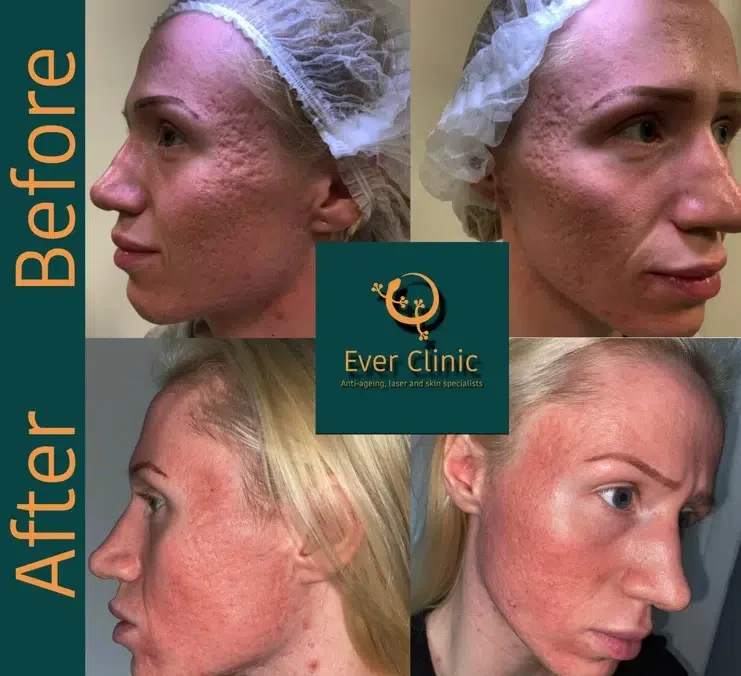
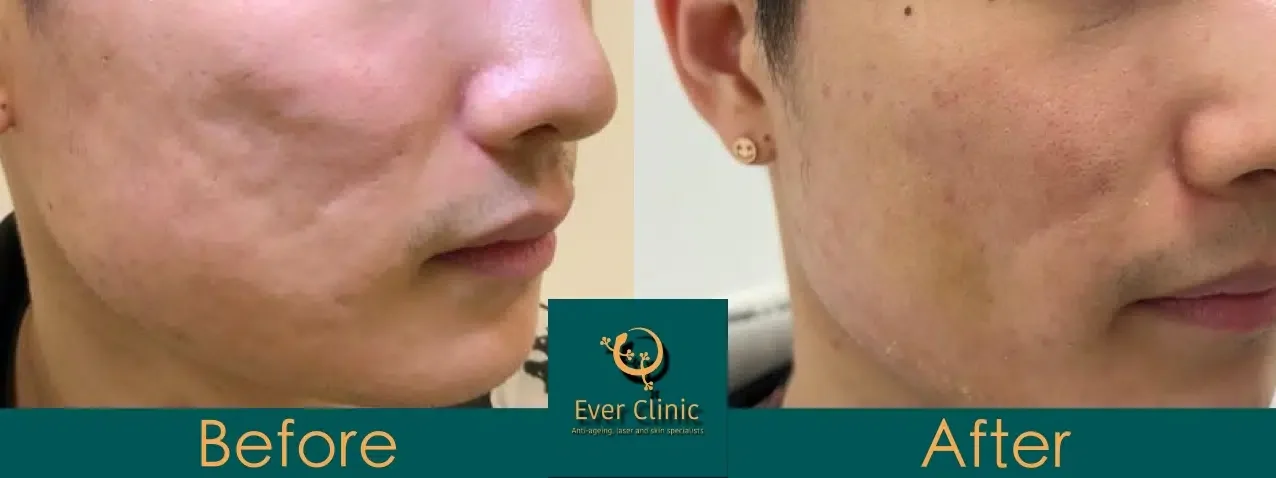
We provide doctor-led scar treatment for acne, chicken-pox, surgical, traumatic and keloid scarring, with a plan matched to your specific type of scar.
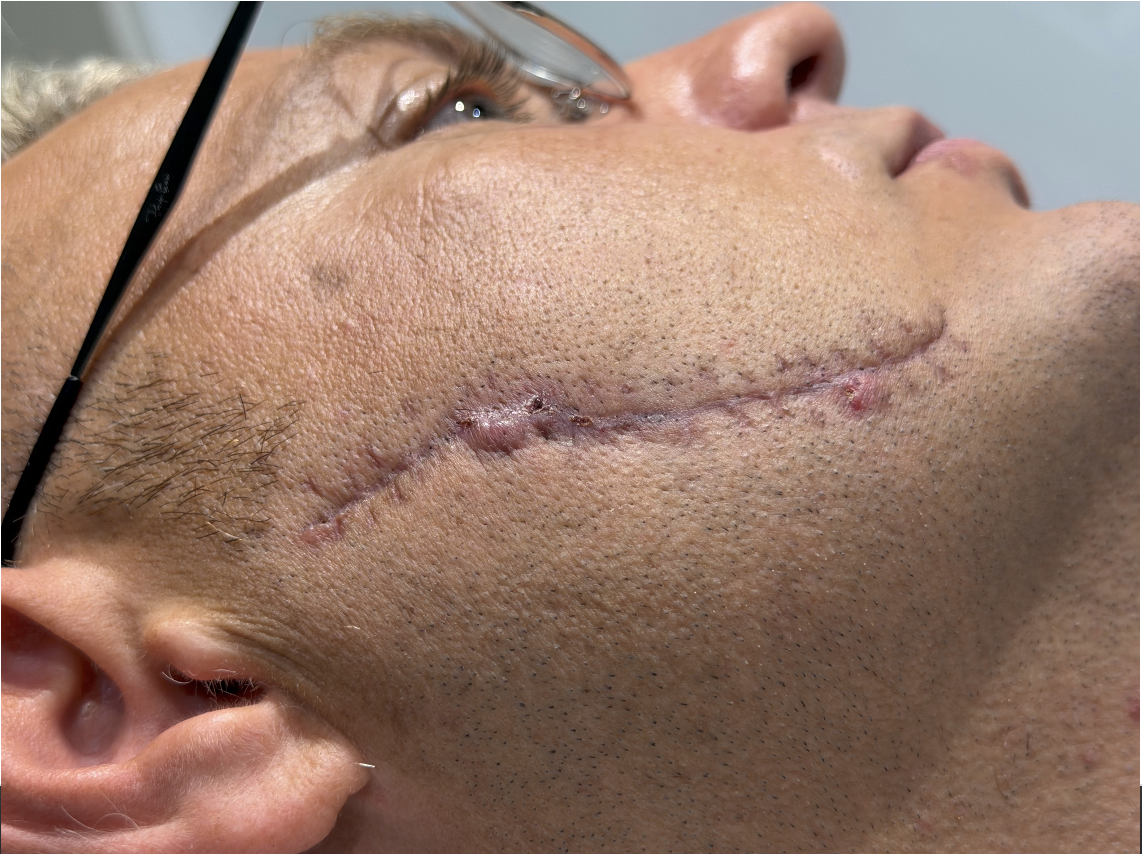
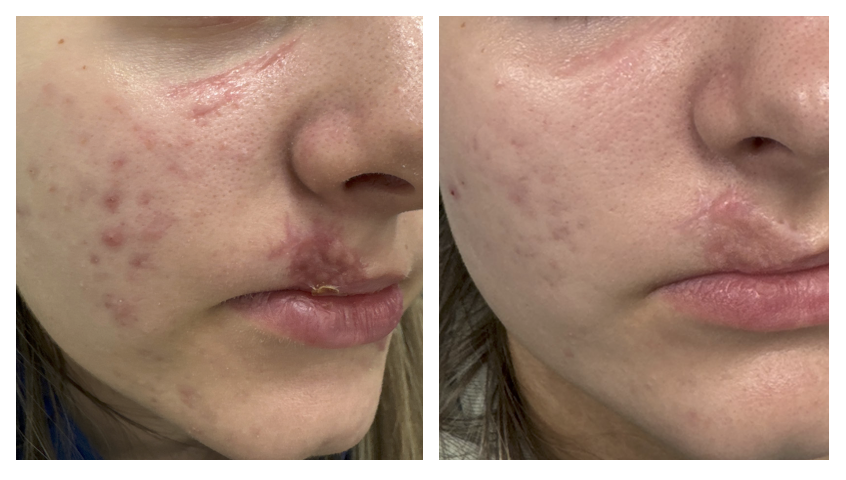
A clear path forward, even if you've tried before
1. Book a Consultation with Dr Cormac - Every scar consultation is carried out personally by Dr Cormac, not a general practitioner or technician.
2. Get an Honest Assessment - What type of scarring you have, what's realistic, and which of our treatments actually applies.
3. Follow a Treatment Plan Built for Your Scar - Acne scarring, keloid, surgical, or rhinophyma each respond differently - your plan reflects that.
Scarring doesn't just sit on the skin - it's the thing you notice in every photo, every mirror. We know it's often not the first clinic you've tried.
We acknowledge the impact of the scarring and treat the person not the scar.
Dr Cormac uses only the best lasers and we have the only fully ablative lasers in Scotland.
All scar and skin health consultations are carried out personally by Dr Cormac who is widely acknowledged to be a scarring expert. He was honoured to receive the Best Non-Surgical Result — Aesthetics Award Winner 2024.
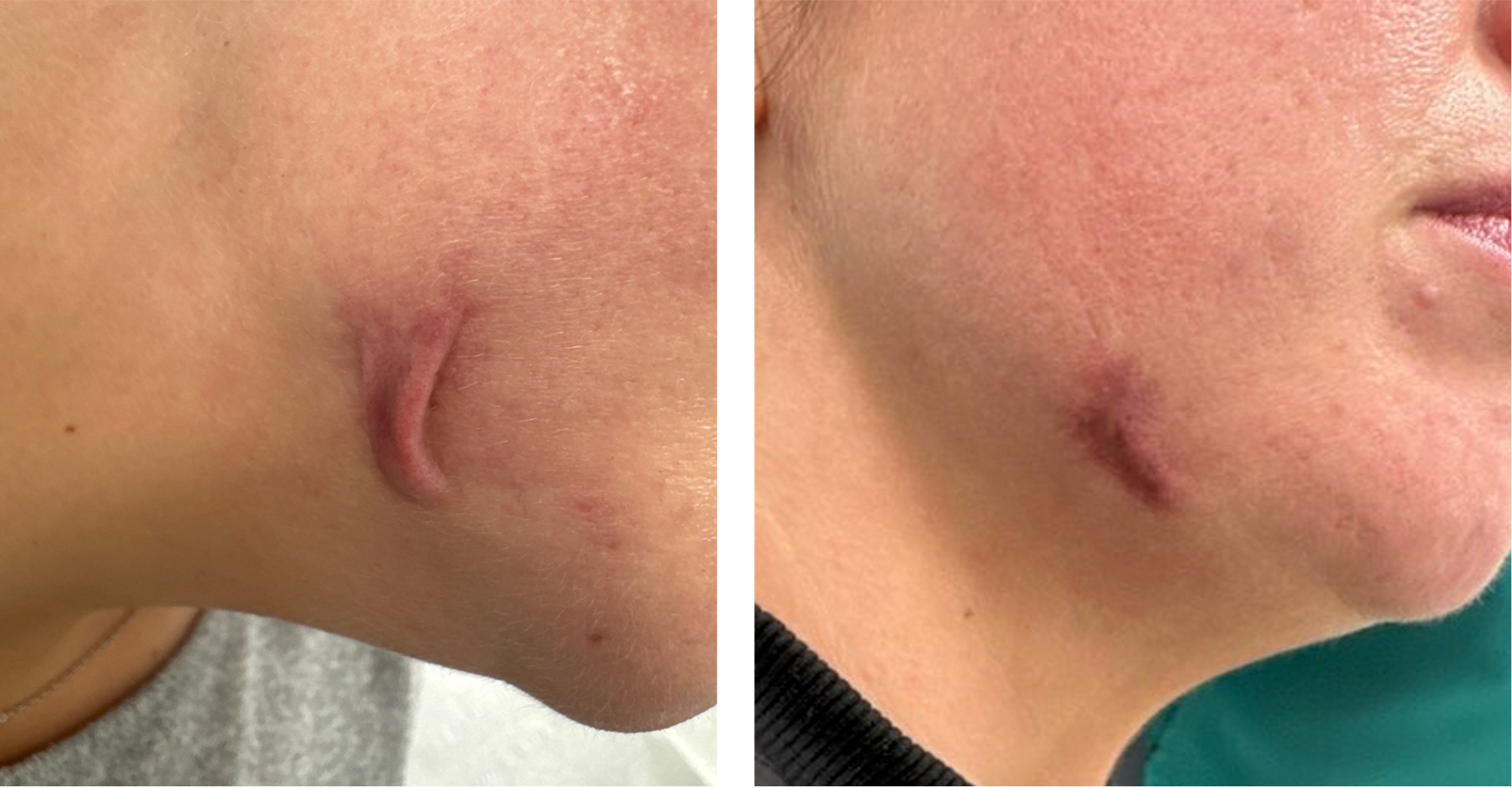
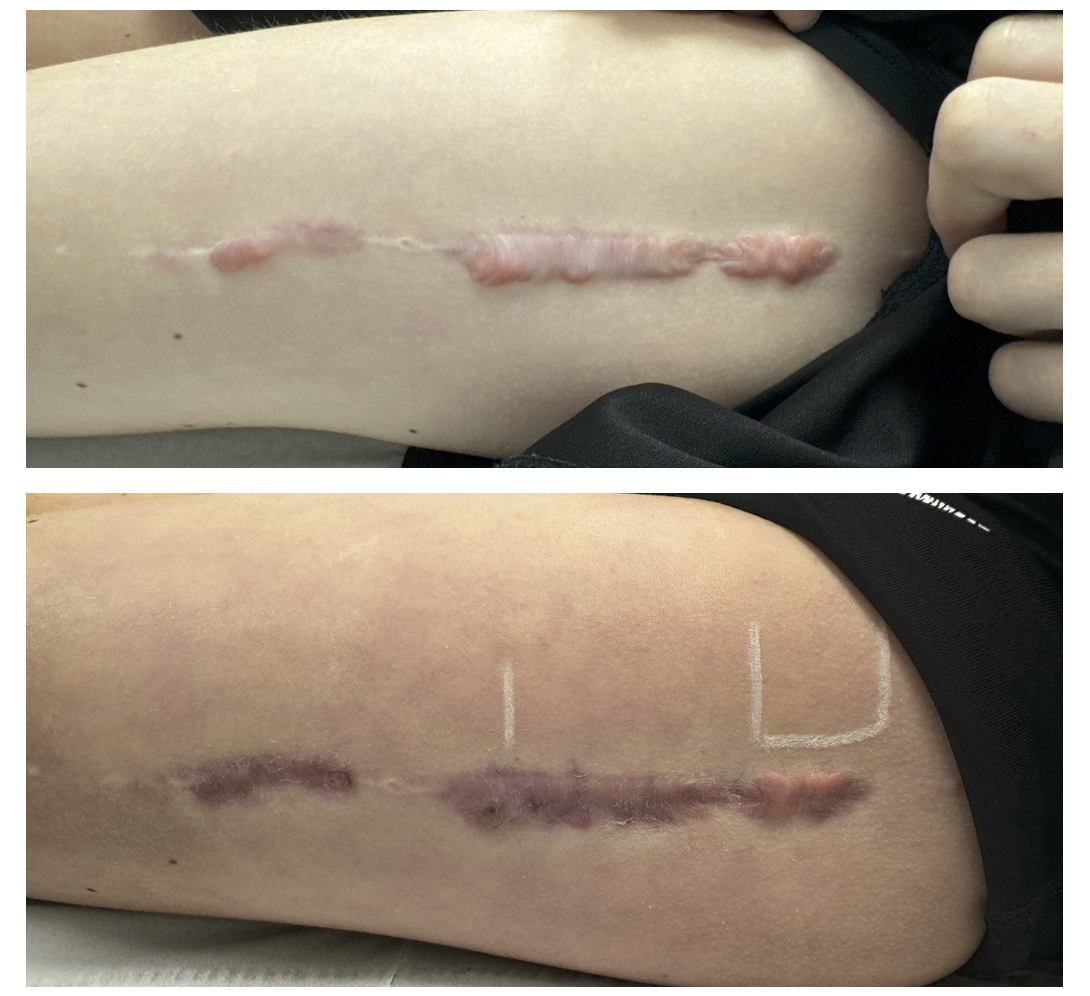
Keloid development after miscarriage
Why previous treatment may not have worked
Standard lasers and peels often aren't strong enough for deeper or more established scarring. Unfortunately, many clinics adopt a generic, one-size-fits-all approach instead of a plan matched to your specific scar type.
Many clinics simply aren’t medically led or their clinicians don’y have a specialist interest in scar treatment.
Scar Types Explained
Each scar type is assessed and treated on its own terms - not every scar responds to the same approach.
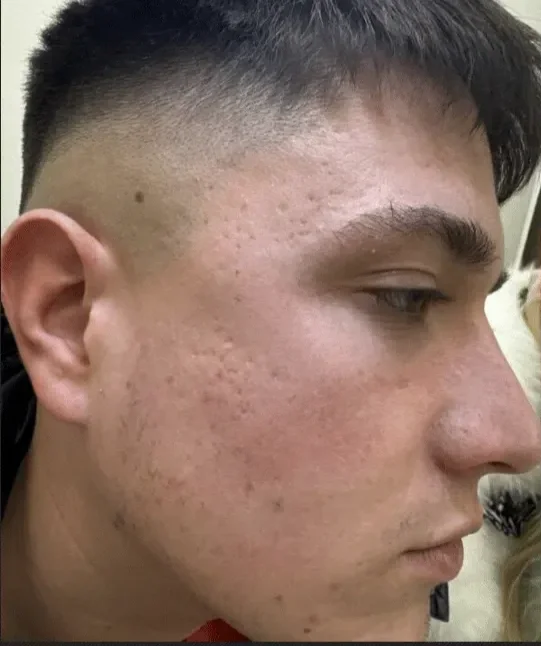
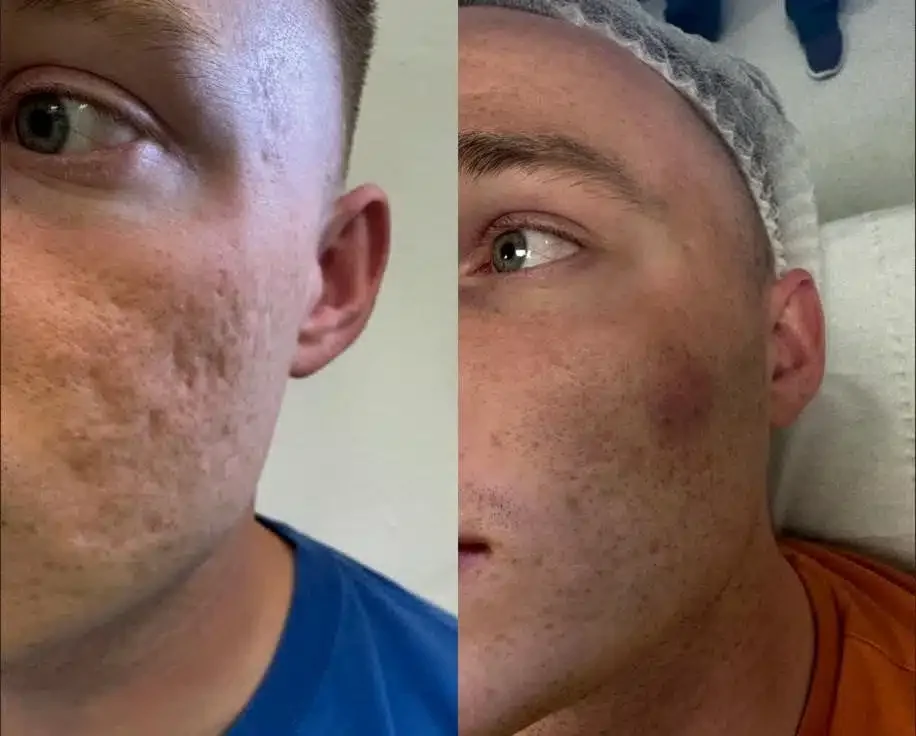
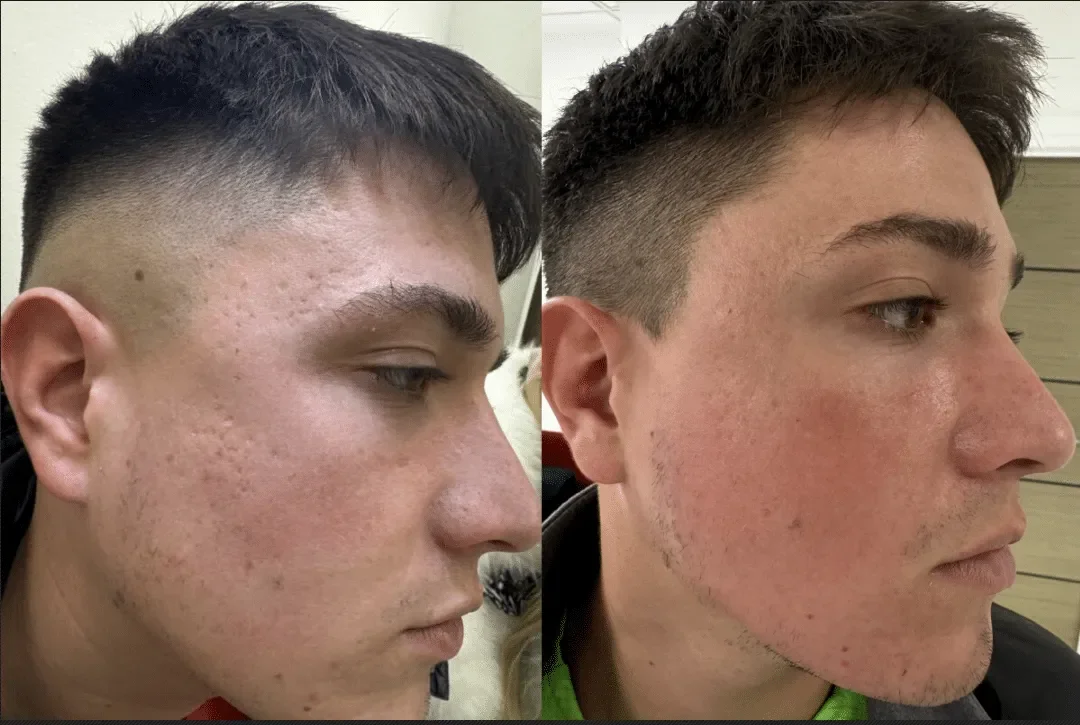
Acne Scarring - Most are atrophic or sunken scars. a few may be hypertrophic or raised. Commonly they’re “tethered” and in need of subcision to release them from the underlying “SMAS” layer. Treatments start from £700 and may require multiple components of treatment for the best outcome. They are typically treated with Full Field Ablative Laser Resurfacing for deeper, more established scarring. While some patients see a “one and done” approach, best results come over a period of time and successive treatments.
Chicken-Pox Scarring - Usually old, depressed scars, typically treated with a course of fractional ablative laser (CO2 or Erbium YAG) combined with laser-assisted drug delivery (LADD). In less common cases where the scar is tethered, subcision may be advised. Some patients ask about dermal filler for this scar type — it's an option, but one we discuss carefully given the risk of vascular occlusion and the fact that filler doesn't offer a permanent improvement.
Surgical Scarring - First assessed to determine whether scar revision is indicated — not common, but sometimes the best route to real improvement. Vascular laser is typically used unless the scar is mature (usually 18+ months old), with fractional ablative laser recommended where there are textural issues. Laser-assisted drug delivery (LADD) is considered as part of the plan where appropriate.
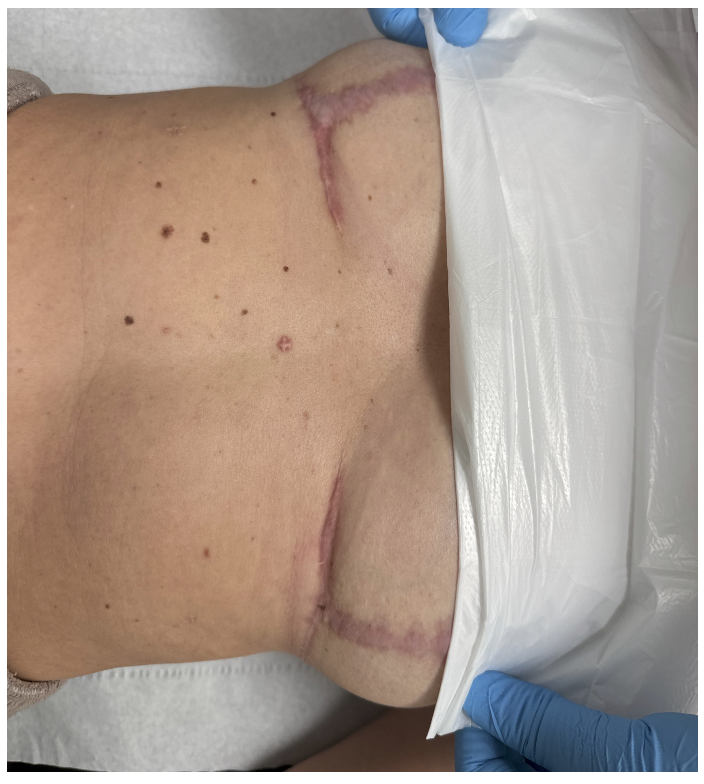
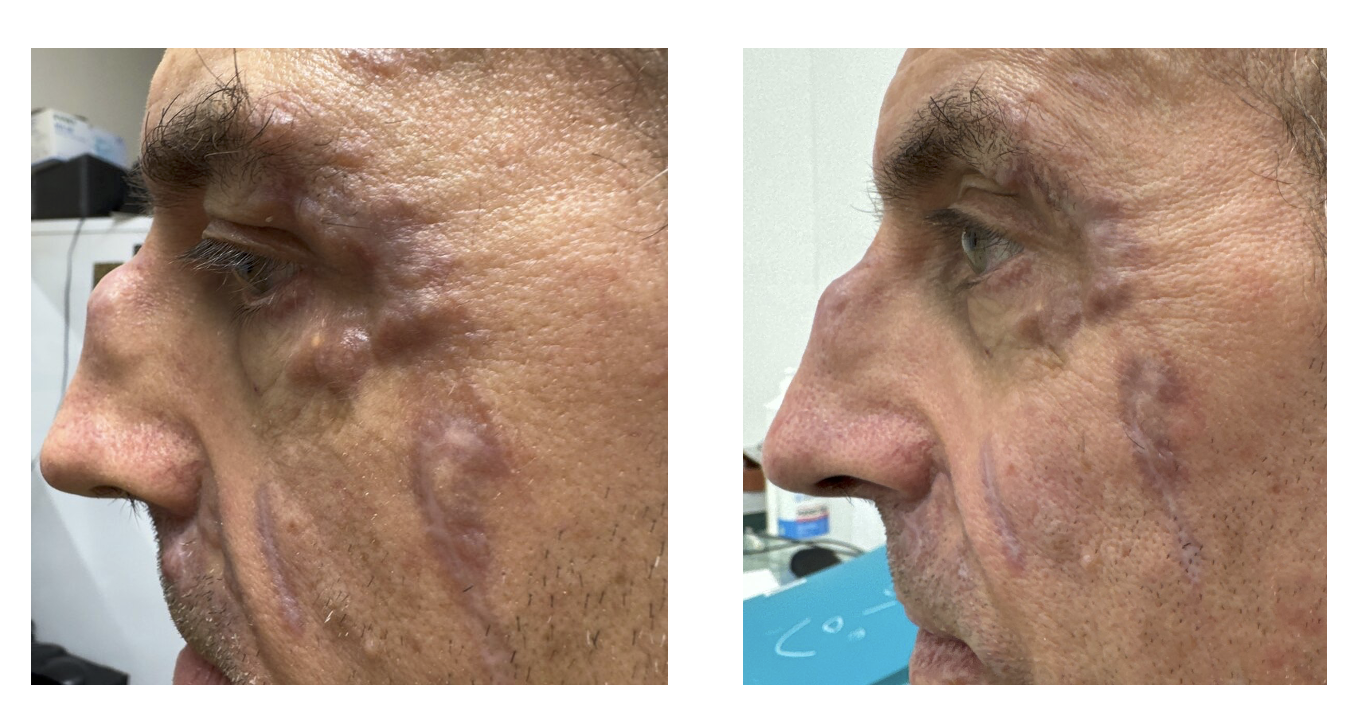
Traumatic Scarring - The approach depends on the scar type. We first assess whether scar revision should be considered, then typically use vascular laser for early intervention on "red" scars, and address textural concerns with fractional ablative laser (CO2 or Erbium YAG) — sometimes combined with laser-assisted drug delivery (LADD) depending on the scar's shape and depth.
Dog-bite, failed skin-graft and acne
Keloid Scars - For most keloids: vascular laser combined with intralesional steroid (methylprednisolone) and fluorouracil injections. For larger keloids, particularly on the ear, ablative laser may be combined with the same intralesional injections. Keloids are notoriously difficult to treat and can take a prolonged period and many sessions to get an optimal outcome.
The main aims in treating keloid scars is to reduce growth, reduce itch, reduce redness and flatten them.
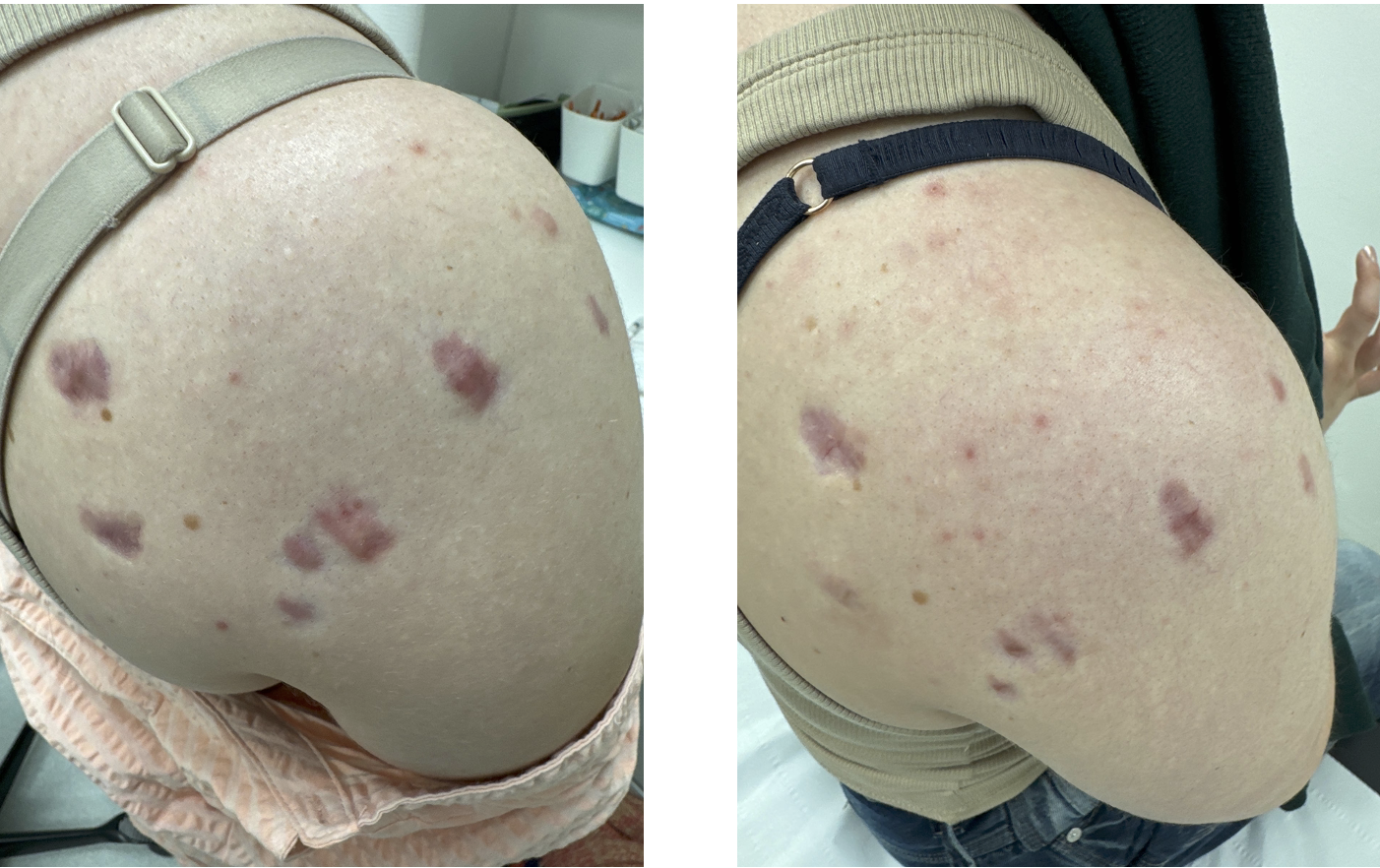
Keloid scars on a shoulder with a “notable” improvement
Don't spend another year assuming this is just how your skin will always look.
Imagine catching your reflection and not immediately going to the scar — just seeing yourself again.
Find out what's actually possible for your scarring
Dr Cormac receives referrals from other doctors, as well as lecturing and advising on scar management. Our aim is to help patients understand options and realistic outcomes so they can make an informed choice.