Moles(Naevi)
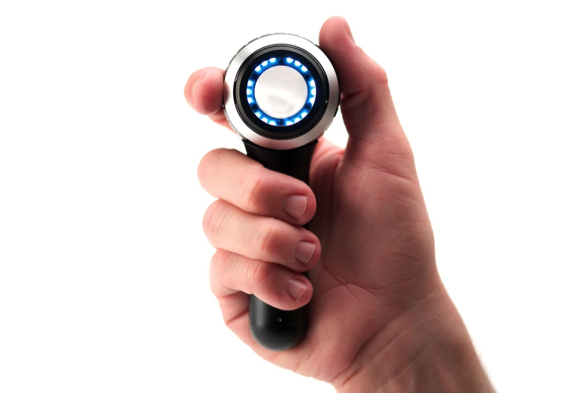
Dermatoscope - the 'gold standard' for state of the art mole analysis
What are moles?
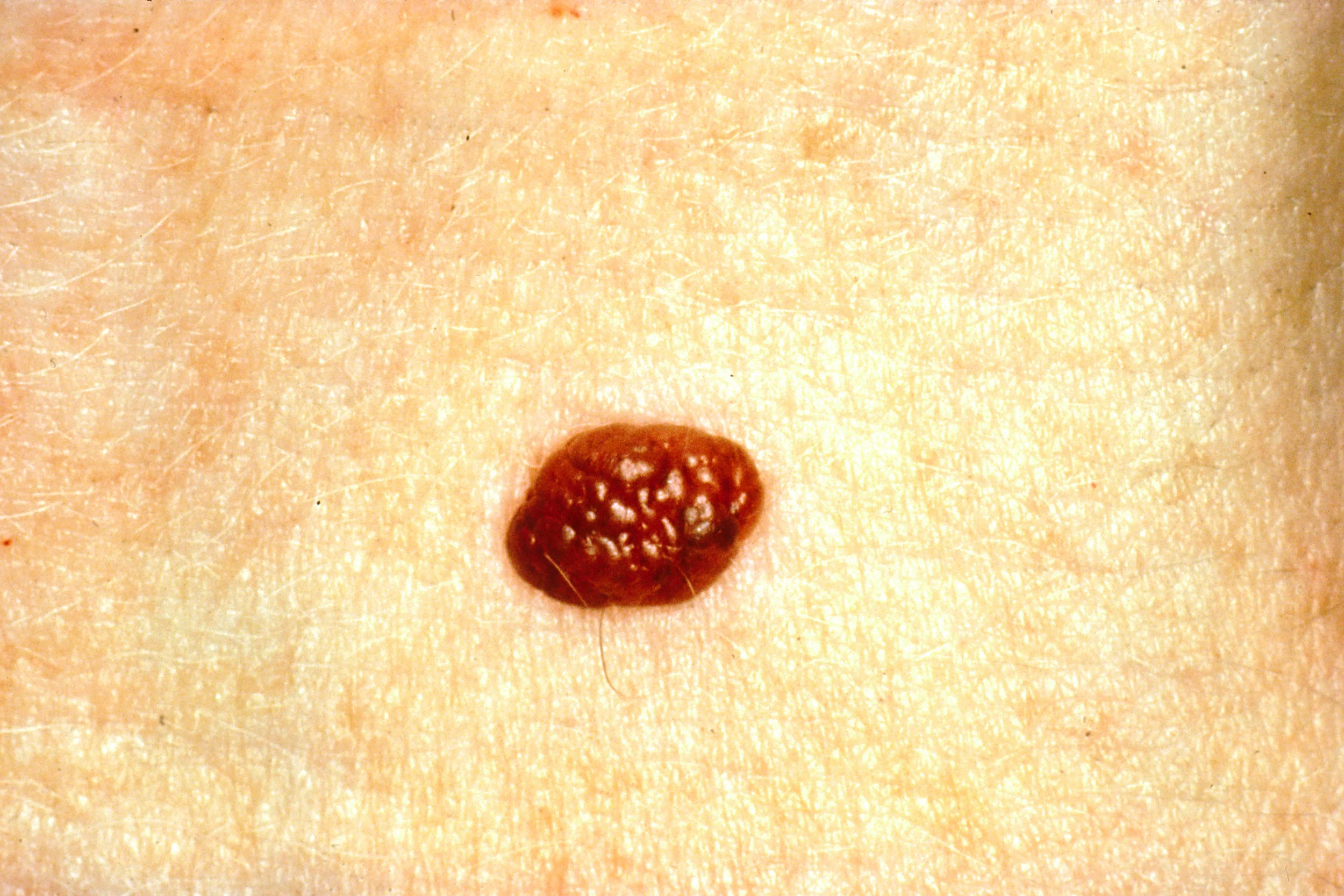
Moles are known medically as melanocytic naevi. They are very common and usually appear in childhood or adolescent years.
Points of note about moles:
The average caucasion person has between 10 and 30 moles.
It is unusual to develop new moles after 40yrs.
The number of moles a person has may increase following sun exposure, pregnancy or immune-suppression.
Moles are problematic for 2 main reasons:
They can affect self-confidence due to being considered unsightly or ugly
They can cause worry or fear of skin cancer
No matter which way a mole affects our patients, we are on hand to help
There is actually a huge array of different types of moles and they can affect the skin, nail-beds or even the back of the eye! Dr Cormac has numerous moles.. including one on the back of his eye.
Using clinical examination and state-of-the-art ‘dermoscopy’, we can assess your mole and advise you on the options
Why are mole checks important?
Skin cancer is becoming more common year on year, with rates now more than 4 times higher than the early 70’s
Melanoma is the most dangerous form of skin cancer and, while it can occur in any skin type, is much more common in fair skin-types
Approximately 13500 people are diagnosed with melanoma in the UK every year, making it the 5th most common cancer in males (7th in females)
The incidence of melanoma rises as we get older but it is also the 2nd commonest cancer under 50yrs
The biggest risk factor for melanoma is ultraviolet (UV) exposure which includes sunlight and sunbeds
It is strongly linked with suffering ‘sun-burn’ in the early years
People with fair skin who live, or have lived, in sunny climates have a higher risk
Australia has led the way in terms of sun-protection and have been promoting the slogan “Slip, slop, slap!” for many years (This public health program entails slipping on a shirt, slopping on sunscreen and slapping on a hat)
Maybe we should follow suit?
Survival rates from melanoma are much higher if this cancer is diagnosed and treated earlier
Consider the “ABCDE” of moles:-
Asymmetry
Border
Colour
Diameter
Evolution or enlargement
It is additionally worth considering the ‘ugly duckling’ sign which is based on the fact that moles in the same individual tend to resemble one another, and that melanomas often deviate from this pattern
If in doubt about any new or existing mole, consult your doctor soon
What can I do about my mole?
Dr Cormac believes in choice.
Our patients decide whether they want a mole removed - It doesn’t matter whether the choice is because the mole is causing concern or is cosmetically unacceptable.
Ultimately, there are two main choices:
1 – Keep it (with advice on how to monitor it)
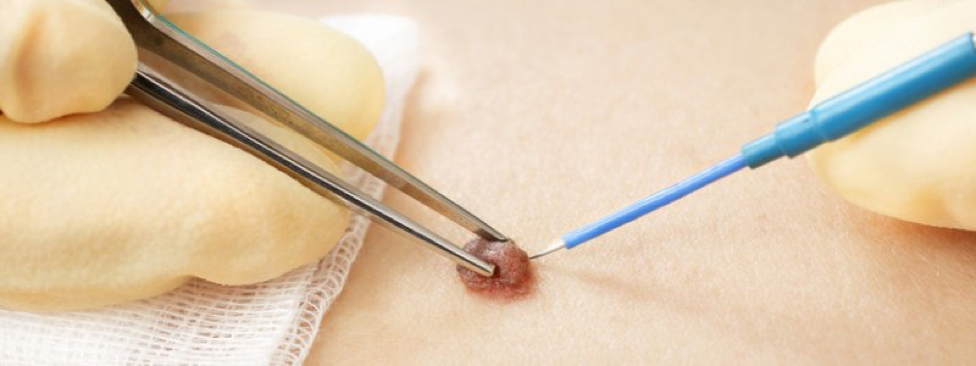
2 – Lose it – effectively this will mean getting it removed by laser, cut off or cut out depending on the type of mole.
Regarding mole removal, it is essential to understand the following:
Removal should be carried out by a doctor
Moles can be removed from any area but some may require more complex surgery
You will be provided with a full explanation of the proposed procedure and follow-up arrangements
When moles are excised it is normal to send the mole tissue for lab analysis Histopathology) to confirm absence of cancer cells
Mole removal leaves a small wound which requires after care - relevant information will be provided
There may occasionally be a need for a further procedure
Mole removal will leave a small scar
Depending on the size and shape of the mole, different treatment options may be considered to remove it:
If small, laser removal may be a suitable option
Shave removal is effective when the mole protrudes from the skin surface
Excision involves removal of the mole with the addition of a small piece of skin surrounding the mole. This will include skin closure using stitches which are left in place for 5-10 days
Price for mole check £50
Prices for mole removal start from £400*
*Where excision is recommended, the cost includes lab analysis