Rosacea & Thread Veins
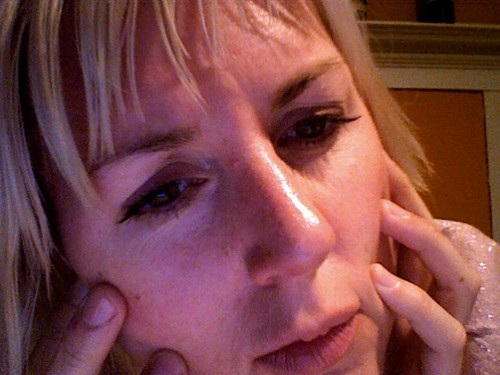
"Rosacea? I don't see it." by miss_rogue is licensed under CC BY-SA 2.0
Whether it's redness, thread-veins, flushing or simply wanting your skin to look and feel healthier — we build a plan around what your skin actually needs.
It's easy to feel like these things are just "part of getting older" or "not a big deal" — until they're the thing you notice every time you look in the mirror.
1. Book a skin consultation
2. Get a personalised plan for your specific concern
3. See gradual, natural-looking results
We find patients have sometimes tried lots of creams and even device-based treatment, but have never had a proper diagnosis. Dr Cormac carries out a traditional consultation and examines the skin with magnification before diagnosing the problem.
From there, recommendations are given based on topical treatment. prescriptions and laser treatment.
What is Rosacea?
Rosacea is a chronic inflammatory skin condition, where abnormal communication between the nervous system, blood vessels, and immune system drives symptoms.
Is is very under-diagnosed and thought to affect up to 80% of the population.
It is more common in fair-skinned individuals and females.
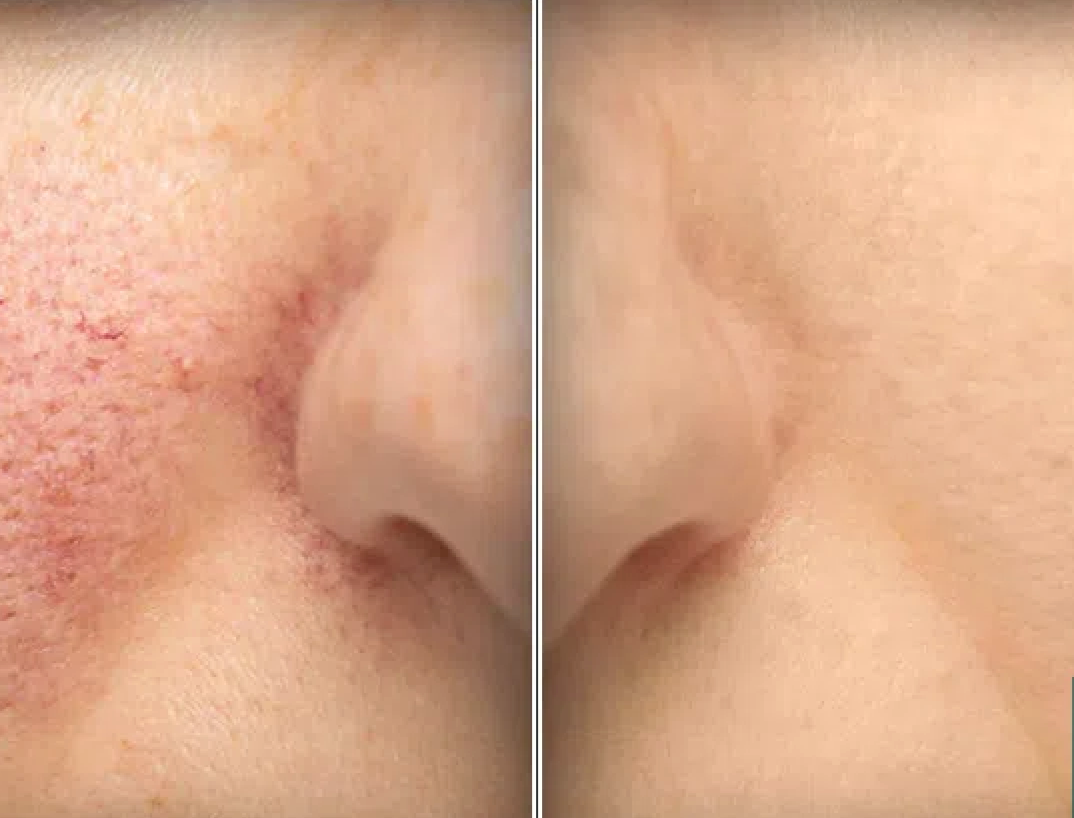
It may present with flushing, persistent redness, facial thread veins or papules and pustules. Patients further describe symptoms and signs such as burning/stinging, facial swelling and dryness, eye symptoms or phymatous changes (enlarged bulbous nose).
Risk Factors / Causes
Sun damage, flushing tendency and genetic predisposition are all risk factors for acquiring rosacea.
Other possible factors in rosacea development:
- Demodex folliculorum mites – this may relate to the associated increase in gelatinase (MMP-9) and resultant inflammation
- Helicobacter pylori infection
- Sunlight and heat
- Alcohol
- Spicy food
Historically, patients were considered to have a subtype of Rosacea but more recently, a consensus was reached that there can be a wide range of presentations.
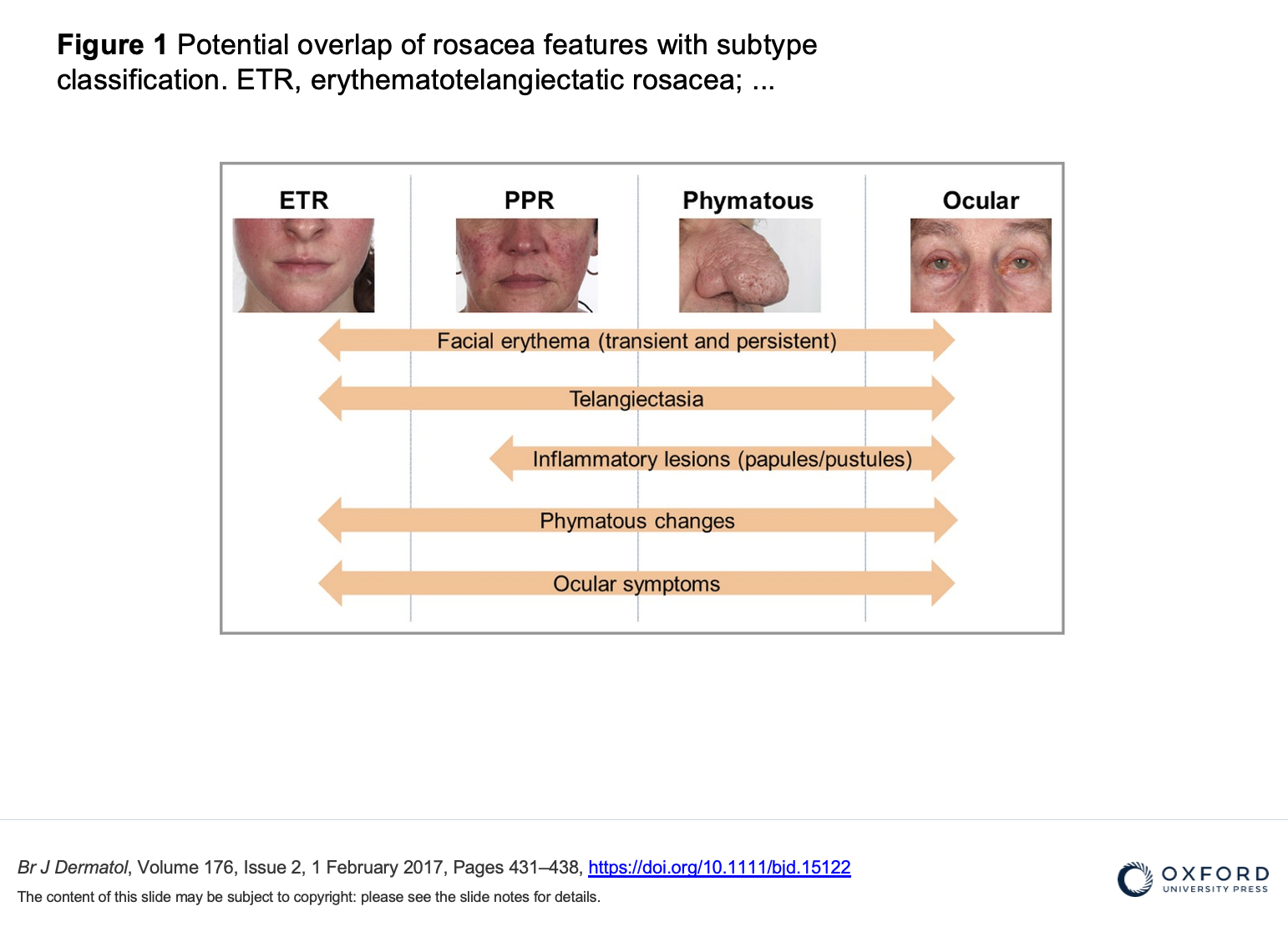
We find that some patients have a marked background redness and flushing, other large thread-veins, and others a very mixed picture. Some are troubled with pustules or spots.
What are the treatment options?
Antibiotics
Usually used where there are significant pustules, depending on severity, oral (tablet) or topical (cream/gel) antibiotic may be used. Such treatments will control the inflammatory element and help prevent a flare up, but they cannot improve the telangiectasias (thread veins).
Tetracyclines are the most commonly used antibiotic tablet, with low dose Doxycycline being an excellent option for facial rosacea. This medication can be used daily for up to 16 weeks continuously.
Metronidazole is the only topical antibiotic recognised to help the papules, pustules and erythema of rosacea.
Brimonidine
Normally provided under the brand name Mirvaso, this topical gel can be used daily to treat erythema (redness). Usually started as a very light application to a limited area, the amount can be gradually increased.
Azelaic Acid
Also used to treat acne, Finacea gel is antimicrobial and also combats comedone formation. Anti-inflammatory properties ensures it is suitable for sensitive skin.
Ivermectin
Possibly better known by the brand Soolantra, this cream can be used very effectively on a daily basis to treat papulopustular rosacea. It can be used for up to 4 months before having a break from treatment.
Botanicals / Cosmeceuticals
Considered a more natural approach, plant extracts like green tea, liquorice extract and feverfew are just some of the ingredients found in the wide range of cosmeceutical treatments available to purchase from registered clinics.
These are invariably very soothing products, and may be used in combination with other approaches.
Laser and IPL
Generalised redness and telangiectasias (thread veins) are very receptive to treatment with light-based therapies. More recently, ocular rosacea symptoms have proven very receptive to laser and IPL.
KTP laser is recognised as the gold-standard here due to the high absorption of the 532nm by the redness. We use the DermaV laser by Lutronic, considered the best vascular laser due to a combination of clever cooling and a very wide range of “pulse-widths” which allows us to target more of the abnormal, dilated vessels.
We also treat Phymatous rosacea with our Lumenis Ultrapulse CO2 laser which helps reshape overgrown glandular tissue, sometimes giving life-changing result.
Camouflage
Camouflage can be very helpful to disguise the generalised erythema of rosacea. Usually a green tint is applied which masked the redness.
Leg Thread-veins
Leg veins affect approximately 50% of the population. While they are typically asymptomatic, some patients do describe associated aching.
They can affect confidence, particularly in those who regularly wear skirts or shorts.
It's easy to feel like these things are just "part of getting older" or "not a big deal" — until they're the thing you notice every time you look in the mirror.
1. Book a consultation
2. Get a personalised plan for your specific concern
3. See gradual, natural-looking results
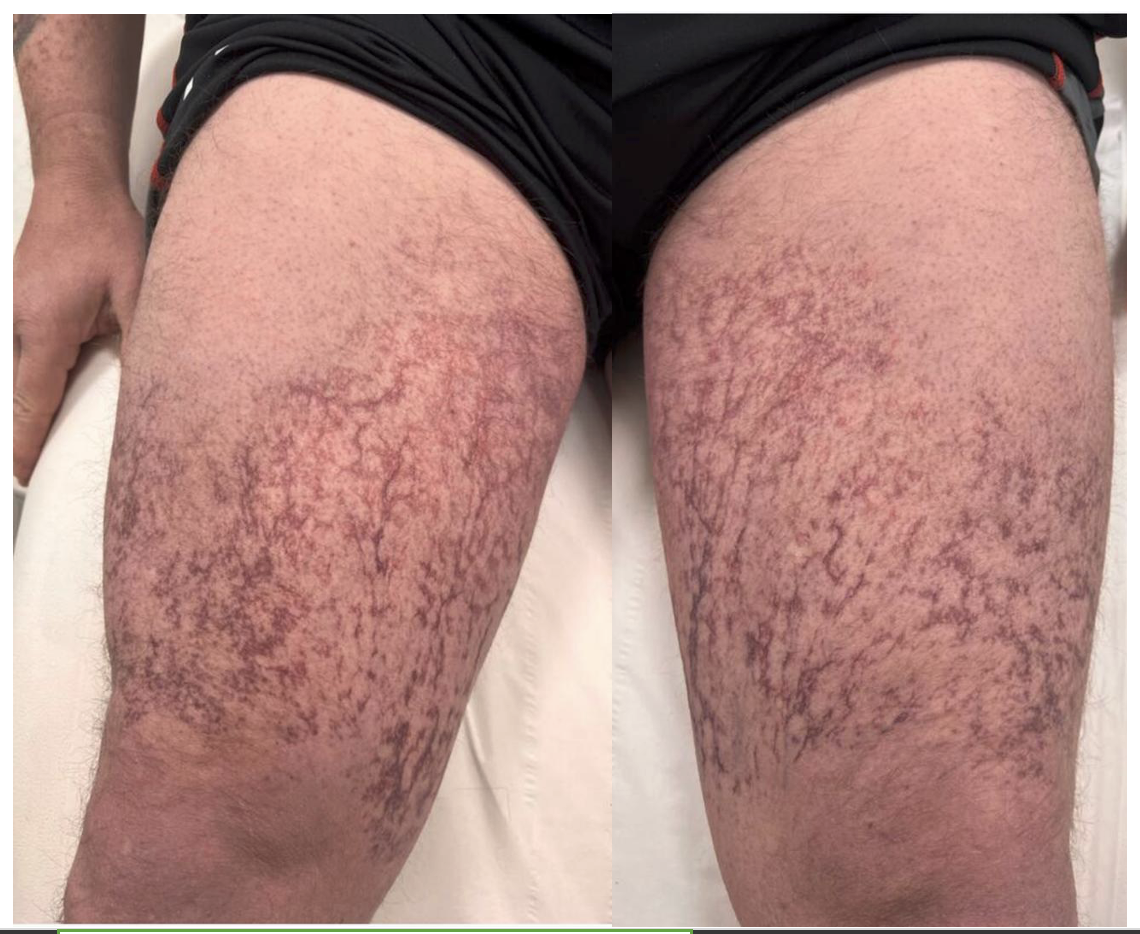
Before Laser
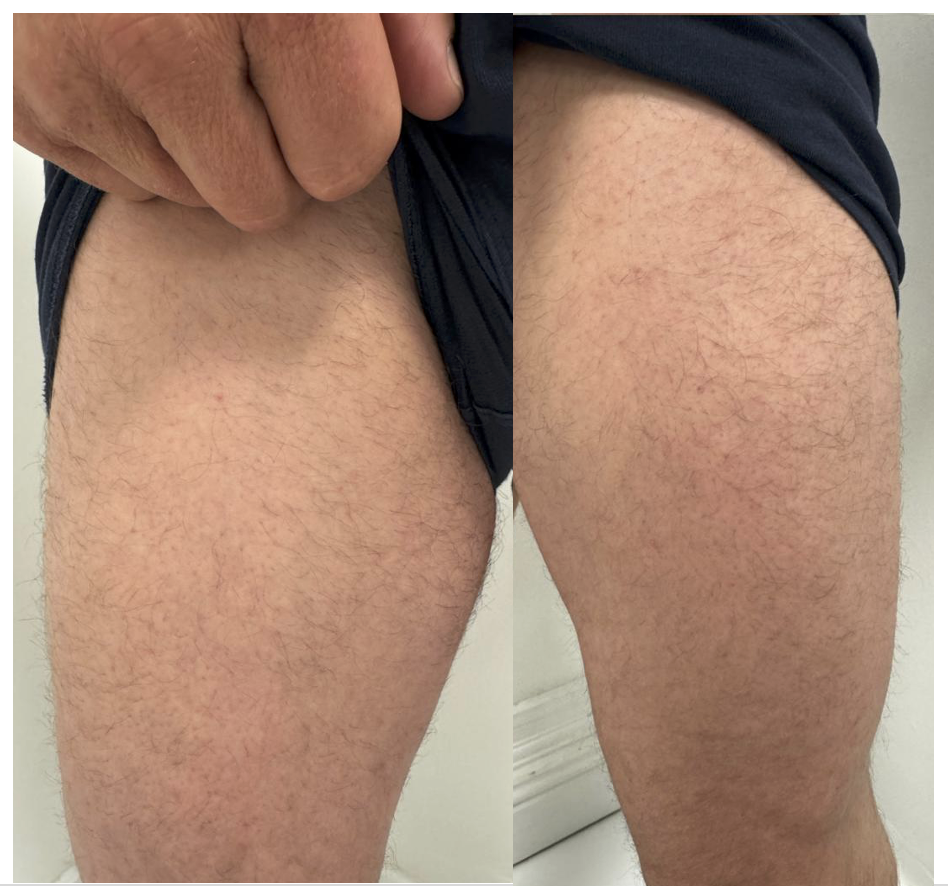
After Laser
Unfortunately, we often see patients who have sought help with their leg veins before, only to have either no result, or complications arising. This is typically because of a lack of experience or the appropriate equipment to help the problem.
It is very important to have a thorough assessment as the presence of varicose veins mandates referral to a Vascular Surgeon or Interventional Radiologist. This is because presence of varicose veins means there is a pressure issue. Without addressing that first, any treatment of leg thread-veins is doomed to fail.
Dr Cormac is often found crawling around the floor inspecting the patient in the standing position as this is the best position to identify varicose veins.
We treat leg thread-veins in a similar approach to the way we treat Rosacea. We typically use NdYAG laser, also found on our DermaV laser, as some leg veins are larger and deeper.
Frequently Asked Questions
What is it like to have vascular laser?
Eye safety is one of the most important components to treatment. For face treatment, “block-out” eye-goggles are required. For treatment very close to the eye or eyelids, we need to use intraocular shields after first putting in numbing drops - this does resuklt in some blurring for a couple of hours and approximately 1% of patient have a gritty sensation for up to 1 day after. For off-face treatment, coloured eye-glasses are given to wear.
Most describe treatment like being “pinged” with an elastic band. Our laser has powerful cooling which, as well as increasing safety, makes it more comfortable. Where a patient is particularly anxious, we are happy to perform a “test-shot” before undertaking a treatment.
What does it look and feel like afterwards?
Some redness and local swelling in normal but this typically settles quickly. On the cheeks especially, swelling sometimes lasts 2-3 days so it’s important to factor in recovery.
Larger vessels can look darker initially but this is a sign of vessel damage and we know these vessels will be removed by the body’s immune system within 2 weeks.
Skincare can continue as normal and it’s VERY important to use SPF 30+ for 2 Weeks after.
Are there risks to having this treatment?
No treatment is completely risk free, and this is why it’s important to attend a trained doctor such as Dr Cormac. We do see complications from this sort of treatment but this typically happens when provided by the untrained or poorly trained. Blisters and burns can happen as well as scarring. Very rarely there have been patients suffering visual loss.
So treatment must be delivered properly, with good equipment, safety measures and appropriate techniques.
What if it doesn’t work?
Dr Cormac describes a tickle zone, a therapy zone and a burn zone. We obviously want the zone in the middle. But we have to provide safety as well as effectiveness. Equipment, experience and feedback from the patient all allow us to maximise effectiveness.
In rare circumstances where there is limited effect following laser, a review is performed and changes made. If Dr Cormac confirms no change, a further treatment can be provided without cost.
BUT it must be clear that at consultation expectations are discussed and agreed. Treatment is expected to take multiple sessions and patients do sometimes forget that.