Do you have a red (or blue) lump that’s annoying you?
Whatever the size, location or colour, Dr Cormac assesses each lesion on its own terms and matches it to the right treatment, including whether treatment is simple or complex.
A vascular lesion doesn't just sit on the skin — it's the thing you notice in every photo, every mirror. We know it's often not the first clinic you've tried.
Plan:
1. Book a consultation with Dr Cormac
2. Get an honest assessment of your vascular lesion
3. Follow a plan built for that scar — not a generic package
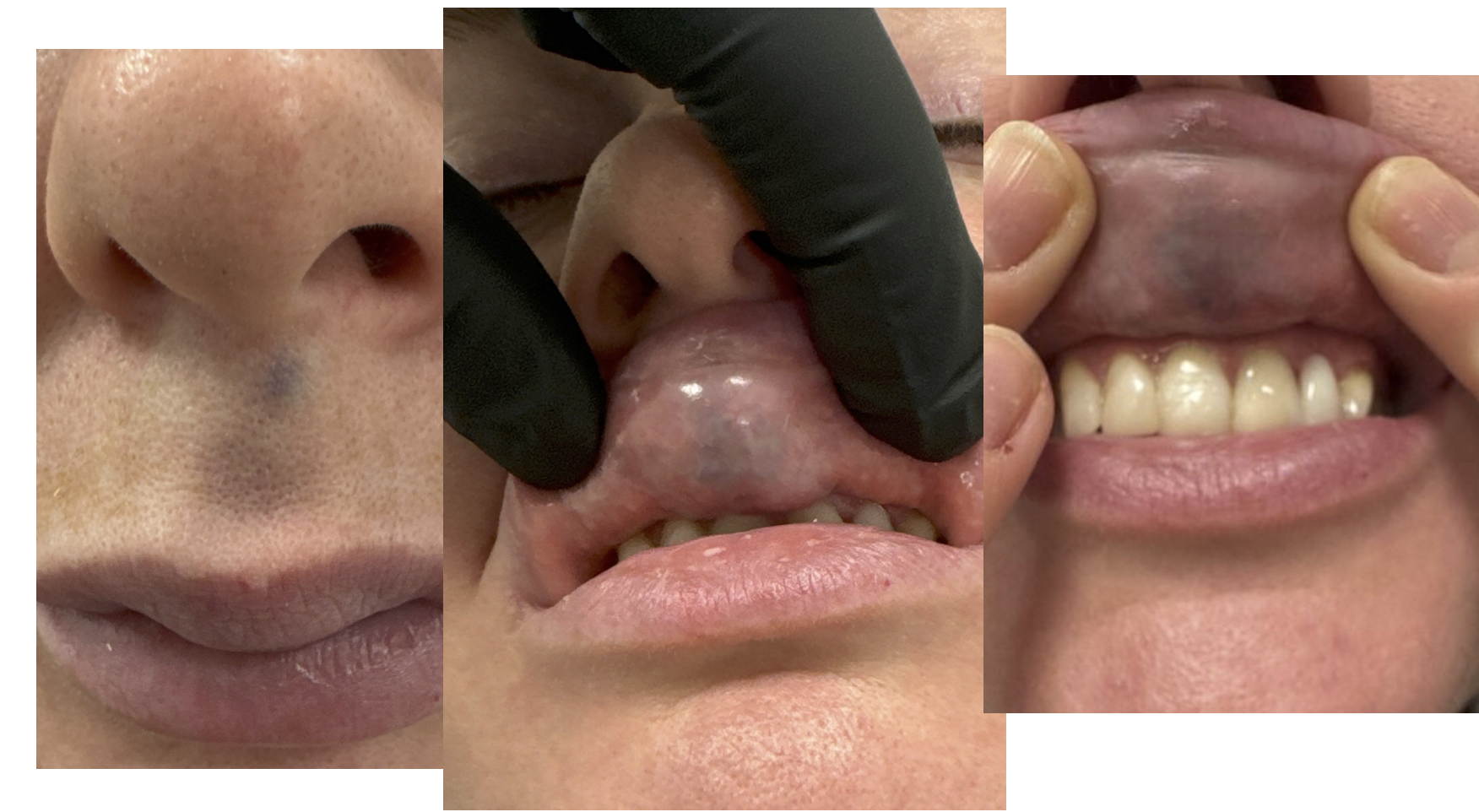
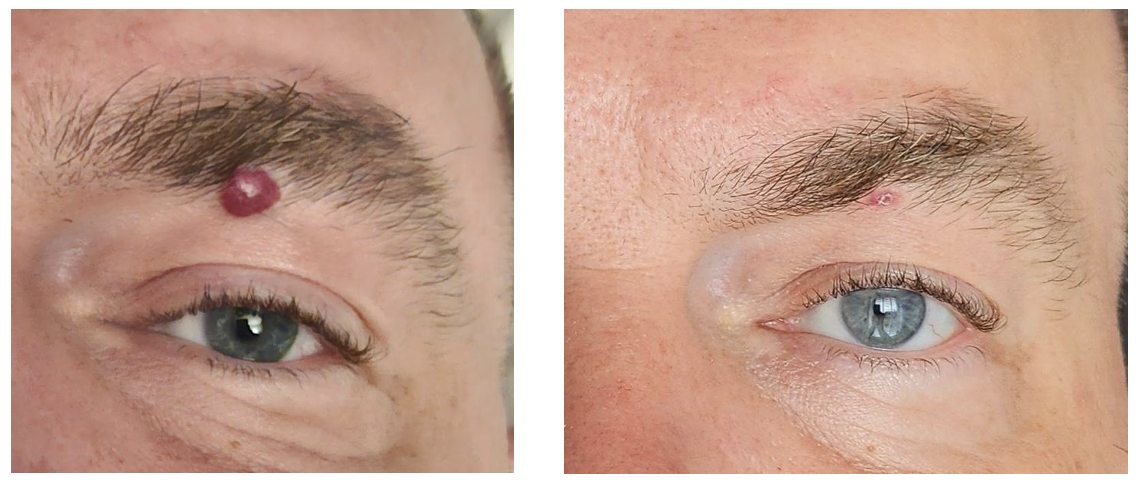
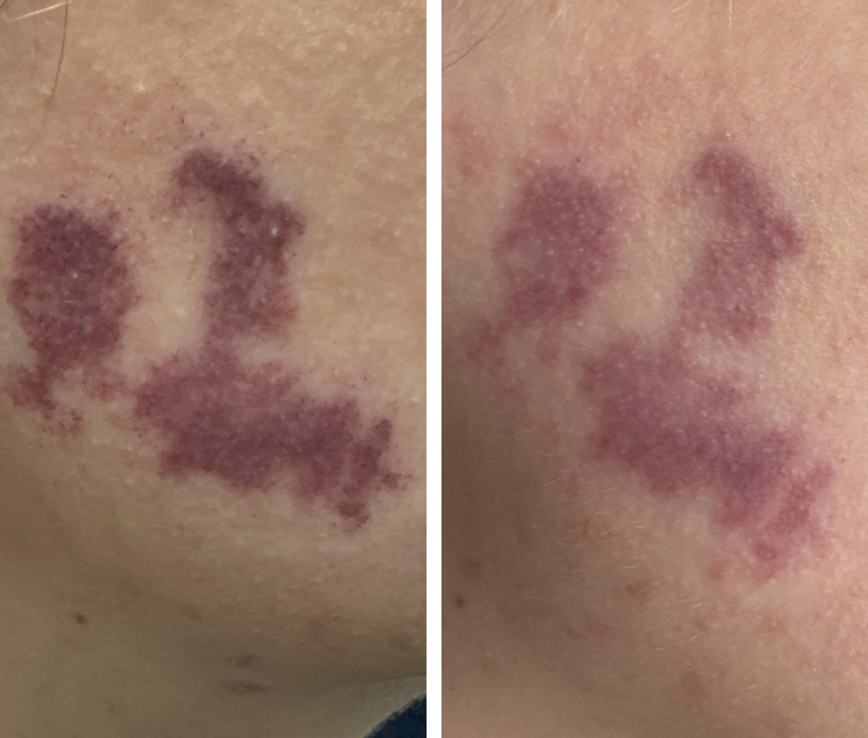
Vascular lesions are very common. Some families, in particular, are plagued by them. But that doesn’t mean you need to accept them.
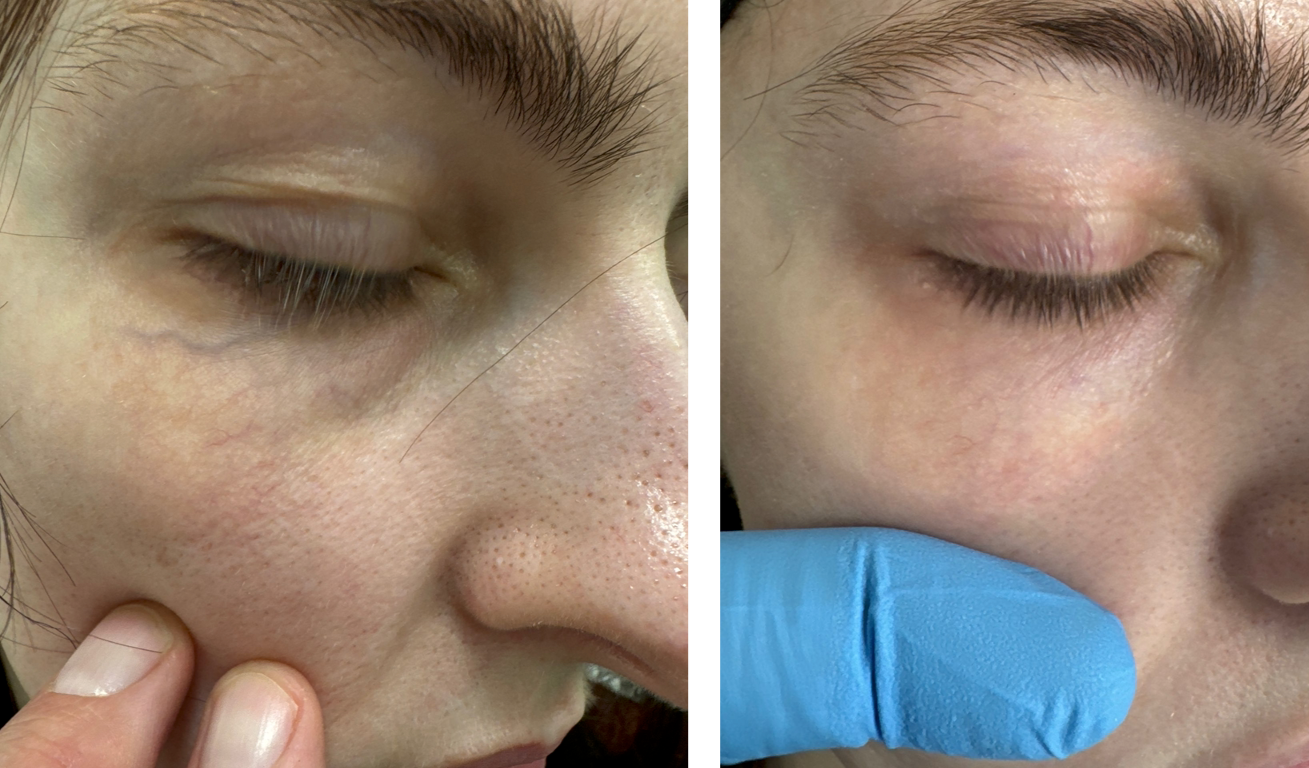
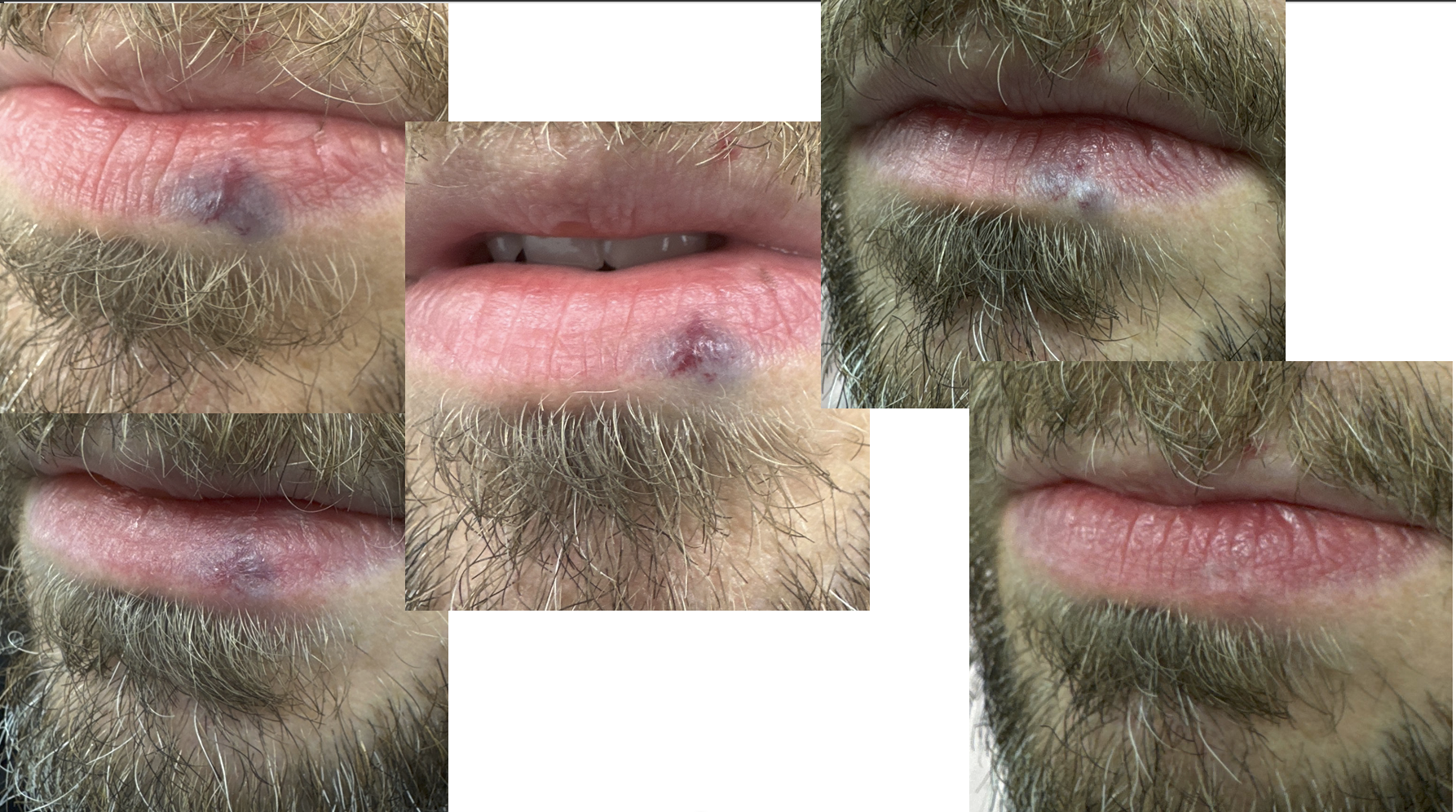
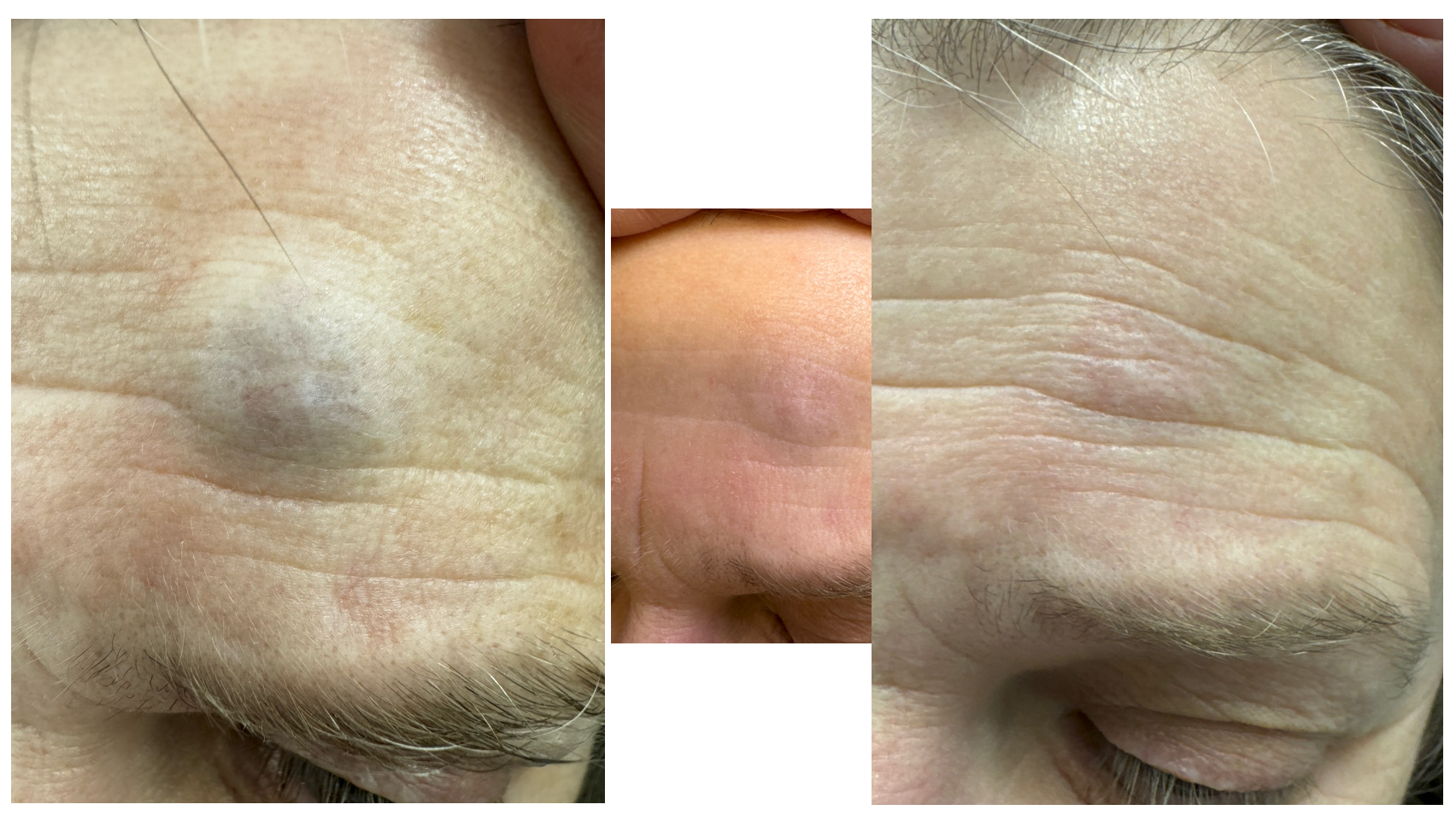
In the above picture there are:
Periorbital veins - seen more commonly in lighter skinned patients and they become more prominent with age. They may be hard to cover with make-up
Venous lake - often follow trauma or lip-biting
Vascular abberation - this initially presented as “a cyst” but ultrasound confirmed it’s vascular nature
Congenital vascular malformation. This lady has always had a swelling
Capillary haemangioma - these are common but this is in an area which needs to be treated delicately because of closeness to the eye
Port-Wine Stain or vascular birthmark (VBM) - often distressing when oth the face
Dr Cormac removes hundreds of vascular lesions each year and we can advise on the pros (and if any cons) in relation to your specific issue. We also routinely use ultrasound which allows us to assess 3-dimensionally as well as visualise blood-flow, before undergoing any treatment.
Many clinics don’t make a proper diagnosis, lack the knowhow or equipment to optimally manage your lesion.
Using our DermaV laser we selectively damage the blood-vessels in the lesion. This avoids creation of a wound or wider damage, ultimately giving a much better result.
With the correct approach, and tools, we ensure the best and most convenient solution for you.