Warts (& Verrucae)
Got a wart or verruca you'd like assessed or removed?
Dr Cormac can assess and treat a wide range of common skin lesions safely and discreetly.
Warts and verrucae are very common — but that doesn't make them less bothersome, especially if they're painful or somewhere visible. Patients commonly report feelings of embarassment as they can be viewed as “unclean”.
Plan:
1. Book a consultation for an accurate assessment
2. Understand what it is and what removal involves
3. Have it treated safely, with proper aftercare guidance
Unfortunately patients are often incorrectly guided and promised perfection. From microneedling to microwave therapy, patients get told there’s 100% success..
Dr Cormac provides information first and then gives an idea of what can realistically be expected.
What are warts and verrucas?
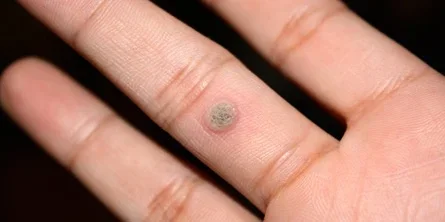
Warts are caused by an infection with a type of ‘human papilloma virus’ (HPV) in the outer layer of the skin (the epidermis). This infection causes growth and thickening of this outer layer. Verrucas, also known as plantar warts, occur on the soles of the feet (the plantar surface).
How do we get warts and verrucas?
Although this infection is ‘caught’ by contact with virally-infected skin scales, the virus is not highly contagious. Infection is more common in childhood and when using public locker rooms.
How can warts and verrucas be treated?
Considering treatment, it is important to remember the following:
Warts usually go away by themselves, and, when this happens, no scarring occurs
Even if a particular wart or verruca is successfully treated, new ones may develop
Some warts can be very stubborn, even against agressive treatment
Treating warts and verrucas can be painful and can occasionally leave a scar which, on the sole of the foot, can be uncomfortable
If treatment is necessary, we usually start with less painful options, especially for children.
Commonly used treatments are:
Salicylic acid preparations – This chemical helps removal of the hard outer layer of the wart. Skin should be pared down or filed with sandpaper prior to application of the acid solution.
Formaldehyde preparations – Mosaic warts (many small warts packed together in a small area) in particular may respond to a gel containing formaldehyde
Cryotherapy – Freezing the warts with liquid nitrogen, using either a cotton wool bud or a spray, may be the next option. Treatment is usually repeated every 3-4 weeks. It is painful and may lead to blistering afterwards, and so it may not be suggested by your doctor for small children
If the above treatments do not clear the warts, Dr Cormac may advise on the following:
CO2 laser and curettage is the most effective solution (NOT 100% effective) but it does leave a wound. We first numb the area with a small injection and the procedure is then painless. It is important to keep the area clean and covered as infection is a risk during recovery.
What can I do?
The following ‘self-care’ advice will help minimize discomfort and spread of warts and verrucas:
Never try to remove the wart or verruca yourself
Choose comfortable shoes that minimise pressure on verrucas
Avoid sharing shoes or socks with anyone else
Pressure-relieving pads can be purchased at any pharmacy
Keep feet clean and dry, and change socks daily
Avoid going barefoot in public places. Cover plantar warts with waterproof plasters or ‘verruca socks’ if you go swimming
Avoid picking at plantar warts. When paring your wart down, carefully dispose of the dead skin. Sand paper will also have living wart virus on it, so avoid using it for any other purpose
Take care when paring or filing down warts, as damage to the surrounding skin may cause spreading of the warts
Check your children periodically for warts and verrucas
Price:
Removal by CO2 laser and curettage from £300